Barcode Technology in Healthcare: Patient Wristbands, Drug Traceability & Sample Management Guide
Hospitals perform thousands of "identity checks" every day: verifying the wristband before an IV, checking the prescription before dispensing, confirming the test tube before drawing blood, checking consumables before surgery. One mistake in any of these steps can turn into a medical incident. Barcode technology turns "check by eye, record by hand" into "scan and verify" — one of the highest-ROI upgrades in healthcare IT. This article breaks down the 5 major barcode scenarios in healthcare and how to equip scanners for each.
1. The 5 Major Barcode Scenarios in Healthcare
1. Patient Identification: The Wristband Barcode Is the Safety Baseline
Patients wear a wristband on admission with their name, admission number and bed number printed on it, encoded as a barcode or QR code. Before an IV, medication, blood draw or examination, nurses scan the wristband plus the order barcode, and the system automatically checks "is this the right patient, is this the right drug/procedure" — an instant alarm on any mismatch. This is an explicit requirement of the International Patient Safety Goals (JCI) and a hard indicator in Chinese tertiary hospital accreditation. Wristbands commonly use Code 128 1D barcodes or QR Code 2D codes; the latter holds more data, such as name, admission number and allergy history at once.
2. Drug Management & Dispensing Verification
Pharmacy counters, inpatient pharmacies and PIVAS (intravenous admixture services) all need scanning: drugs are scanned at inbound with their traceability code (the 20-digit China drug electronic supervision code), and at outbound dispensing with double verification of the prescription barcode + drug barcode. Since 2024, the National Medical Products Administration has been pushing drug marketing authorization holders to build traceability systems, requiring retail pharmacies and medical institutions to be able to "scan, verify and write off" codes. Traceability codes are Code 128 1D barcodes, but the codes on small drug packages are often printed on plastic film or foil — reflective, curved, with light print — which places real demands on a scanner's reading capability.
3. Lab Sample Management: Fully Traceable from Blood Draw to Report
Laboratories (clinical lab, blood bank, pathology) process more than a thousand tubes a day. Sample barcodes are printed on the spot at blood collection and stuck on the tube, scanned into the system before instrument testing, then scanned again to link the report to the patient. A mislabeled tube means a mismatched report — a major safety hazard. Tube barcodes are usually Code 39 / Code 128, wrapped around the curved wall of a round tube. Curved reading, plus barcodes that may be blood-stained, worn or stuck at an angle, makes tube scanning the harshest test for a scanner in the lab.
4. Medical Device & High-Value Consumable Traceability (UDI)
China's NMPA requires Class III medical devices to gradually adopt Unique Device Identification (UDI), primarily using GS1 DataMatrix codes printed on device packaging or the device itself. When high-value consumables (stents, pacemakers, artificial joints) are used in the operating room, scanning records "which surgery, which patient, which lot of consumables", enabling end-to-end traceability from factory to point of use. DataMatrix codes are small and high-density, often printed on reflective foil or curved surfaces — one level harder to read than ordinary barcodes — requiring 2D scanners with high-precision small-code reading.
5. Mobile Nursing & Self-Service Terminals
Nursing stations use wireless scanners or PDAs to scan and verify while executing bedside orders, replacing the traditional "bedside card + verbal confirmation". In outpatient halls, self-service registration, payment and report-printing machines embed barcode scan modules so patients can scan their visit card barcode or the electronic visit code on their phone. These machines run 7×24, demanding high module stability and strong screen-code reading.
2. Matching Scanners to Each Scenario
| Scenario | Recommended Device | Why |
|---|---|---|
| Pharmacy counter / outpatient dispensing | XL-S9522 desktop scanner | USB plug-and-play, stable continuous scanning, pharmacy counter standard |
| Nursing station / bedside verification | XL-W66HD wireless scanner | Bluetooth 30 m, 8-hour battery, mobile bedside verification without dropouts |
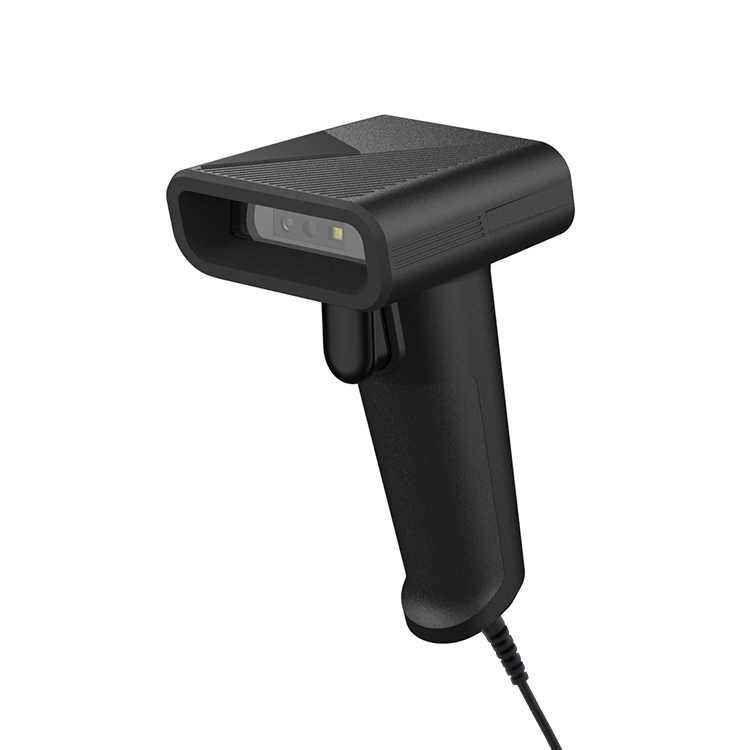
| Lab samples / test tube scanning | G4503 industrial handheld scanner | Strong reading of curved, reflective and dirty barcodes; IP54-rated and durable |
| OR high-value consumable UDI | G4205 high-precision 2D scanner | High-density DataMatrix small-code reading, purpose-built for UDI traceability |
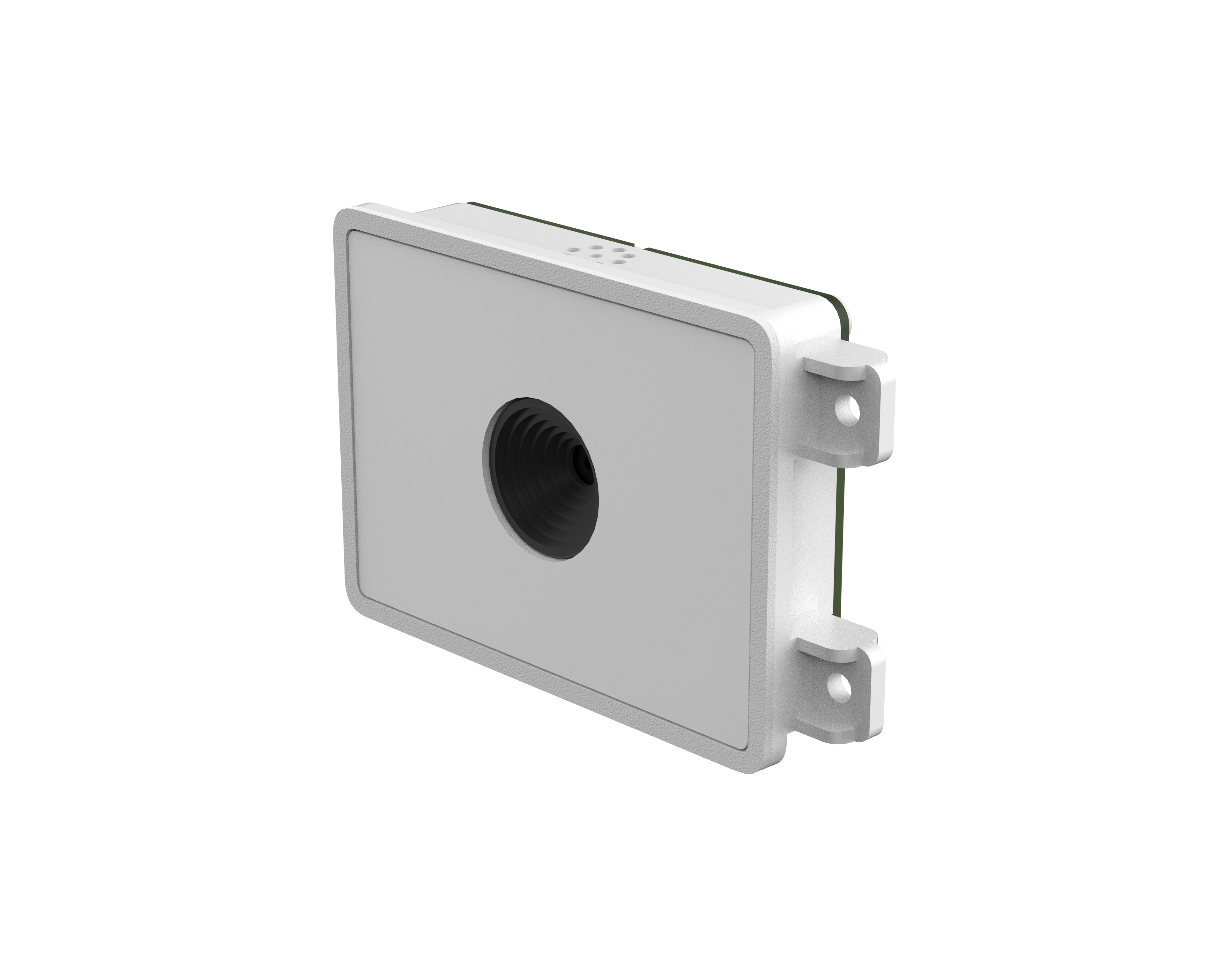
| Self-service registration / payment / report machines | F4100 embedded scan module | Small and easy to embed; reads paper codes and phone screen codes |
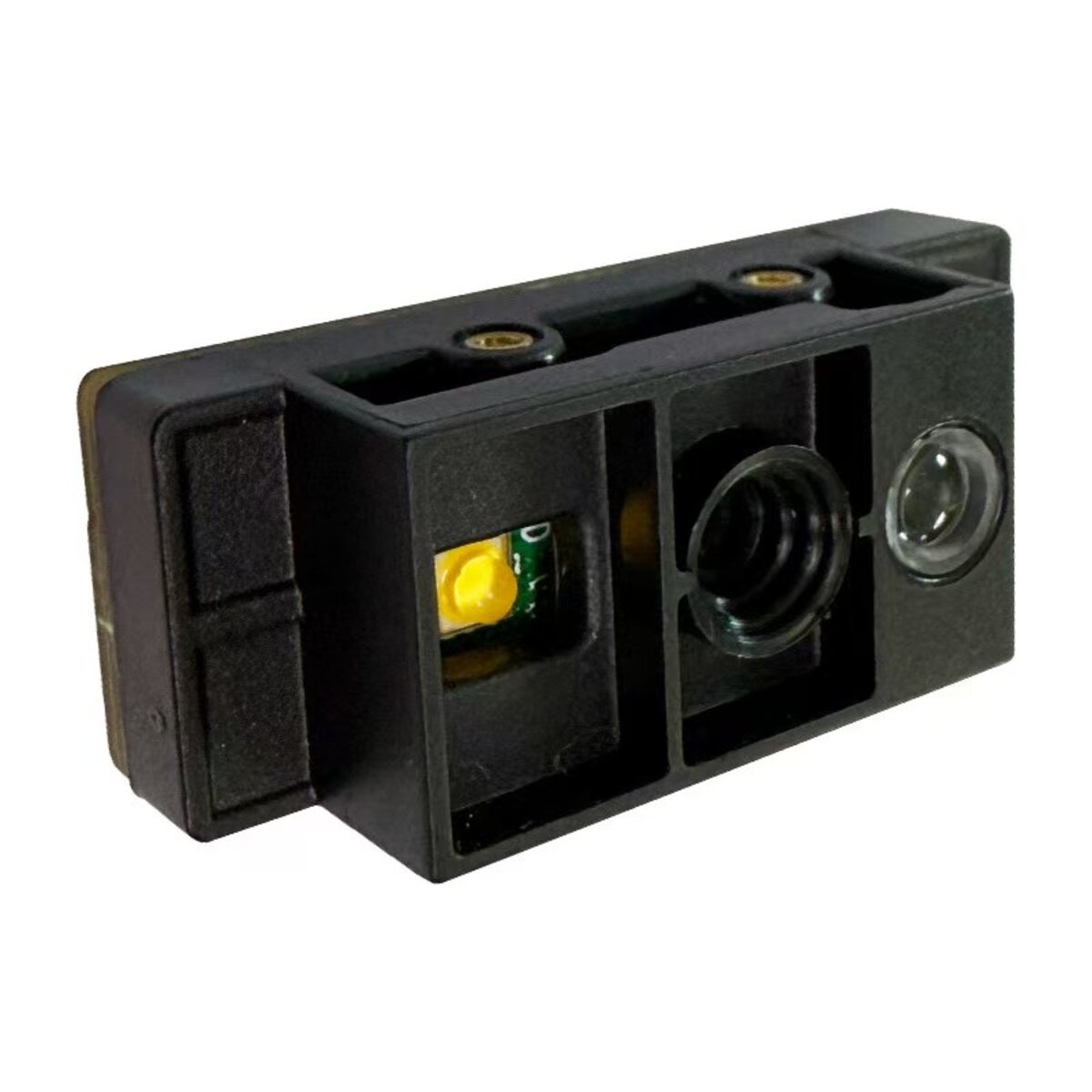
| Mobile nursing PDA / tablet expansion | XL-F3-BW embedded module | Low power, wide voltage; easy to integrate into mobile nursing terminals |
| Drug / device warehouse inventory | BX20 wireless 2D scanner | 2.4G/Bluetooth dual mode, 90-day standby for long inventory sessions |
3. 3 Special Considerations for Healthcare Selection
1. Industrial Construction That Withstands Disinfectants & Alcohol
Medical equipment is wiped with chlorine disinfectant and 75% alcohol many times a day. Ordinary consumer scanners suffer corroded housings and aging buttons; choose industrial-grade protection instead. Models with IP54 protection like the G4503 feature corrosion-resistant housings and 1.5 m drop protection, suited to high-frequency disinfection environments such as labs and operating rooms.
2. Special Media Reading: Curved, Reflective & Light Colors
Test tubes are curved and may be blood-stained, drug foil packaging is highly reflective, wristbands are soft plastic prone to wrinkling, and UDI codes are high-density small codes. These scenarios demand attention to a device's depth of field, anti-glare algorithms and small-code reading. If budget allows, labs and operating rooms should prefer industrial or high-precision models over general-purpose ones.
3. Data Format Compatibility with HIS/LIS Systems
Hospital scanners ultimately connect to HIS (Hospital Information System), LIS (Laboratory Information System) and SPD consumable management systems. When selecting, confirm the scanner supports USB-HID keyboard-emulation output (plug-and-play, driver-free) or serial output, plus custom suffixes (Enter/Tab). For embedded modules, confirm the vendor provides SDK and communication protocol documentation for integrators doing secondary development. The full Xinlong range supports USB / RS232 / Bluetooth multi-interface output and ships with complete development documentation.
4. FAQ
Related Products
Related Articles
Working on a hospital IT / medical traceability project?
Tell us your scenario (pharmacy, ward, lab, operating room or self-service terminal) — free equipment solution design + sample testing.
📞 Contact Xinlong IoT