XL-F24 Network QR Code Reading Engine: Campus Self-Service Terminals & Exam Verification Scanning
On a smart campus, borrowing books means scanning, signing in means scanning, exams carry barcodes, and payments use scan codes — every one of these terminals needs a reading core that sees fast, reads accurately, and transmits the data onward. XL-F24 network QR code reading engine is built exactly for these self-service devices: a 640×480 CMOS sensor with in-house decoding that handles both screen codes and printed codes, sending data straight to the backend over the network. Embed it in a self-service terminal and it works out of the box — one engine reads everything education and training scenarios throw at it.
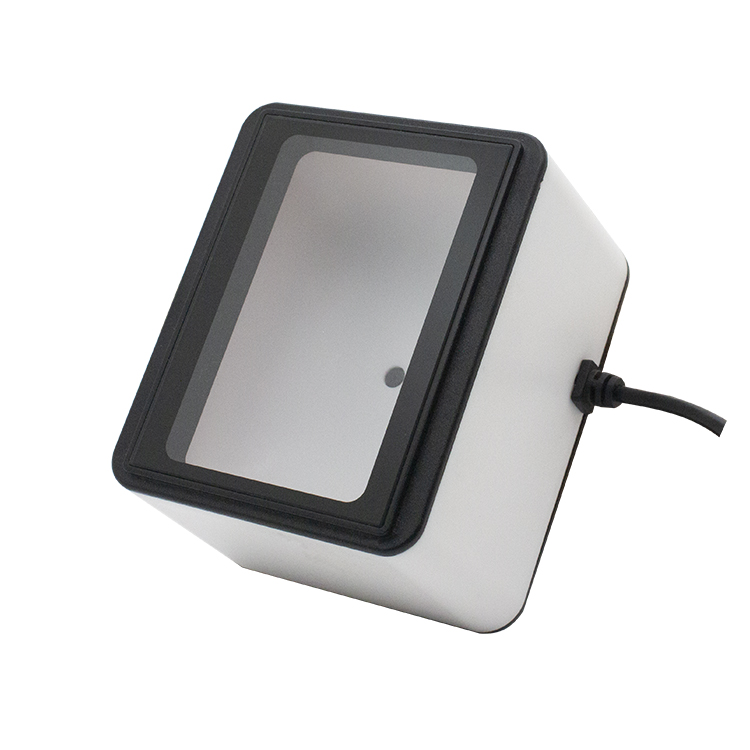
XL-F24 network QR code reading engine · reads screen and paper codes with one device
1. Why Choose XL-F24
Campus scanning has a distinctive profile: mixed code sources, high frequency, and ever-changing environments. Students may present a payment code on their phone, a WeChat campus code, or a printed barcode on a paper admission ticket or campus card. XL-F24 uses a 640×480 CMOS high-resolution sensor paired with an in-house decoding core, fully compatible with both screen codes and printed codes — bright screens, dim light, glare and screen protectors don't faze it, and reads stay fast and stable.
Even more important is its networked data transmission capability: read results are uploaded to the backend system directly over the network, eliminating local secondary relay and making device integration and management easier. Self-service book return machines, classboards, payment terminals and gate channels — one engine per station, with data flowing back to the campus management platform in real time. Who borrowed what, who signed in, who swiped a card — the backend shows it all at a glance.
Campus terminals typically scan continuously at high frequency, with queues forming between classes and around exams. XL-F24 is designed for high-frequency continuous scanning environments — stable and dependable under load — and its compact embedded structure fits even the tightest equipment cabinets.
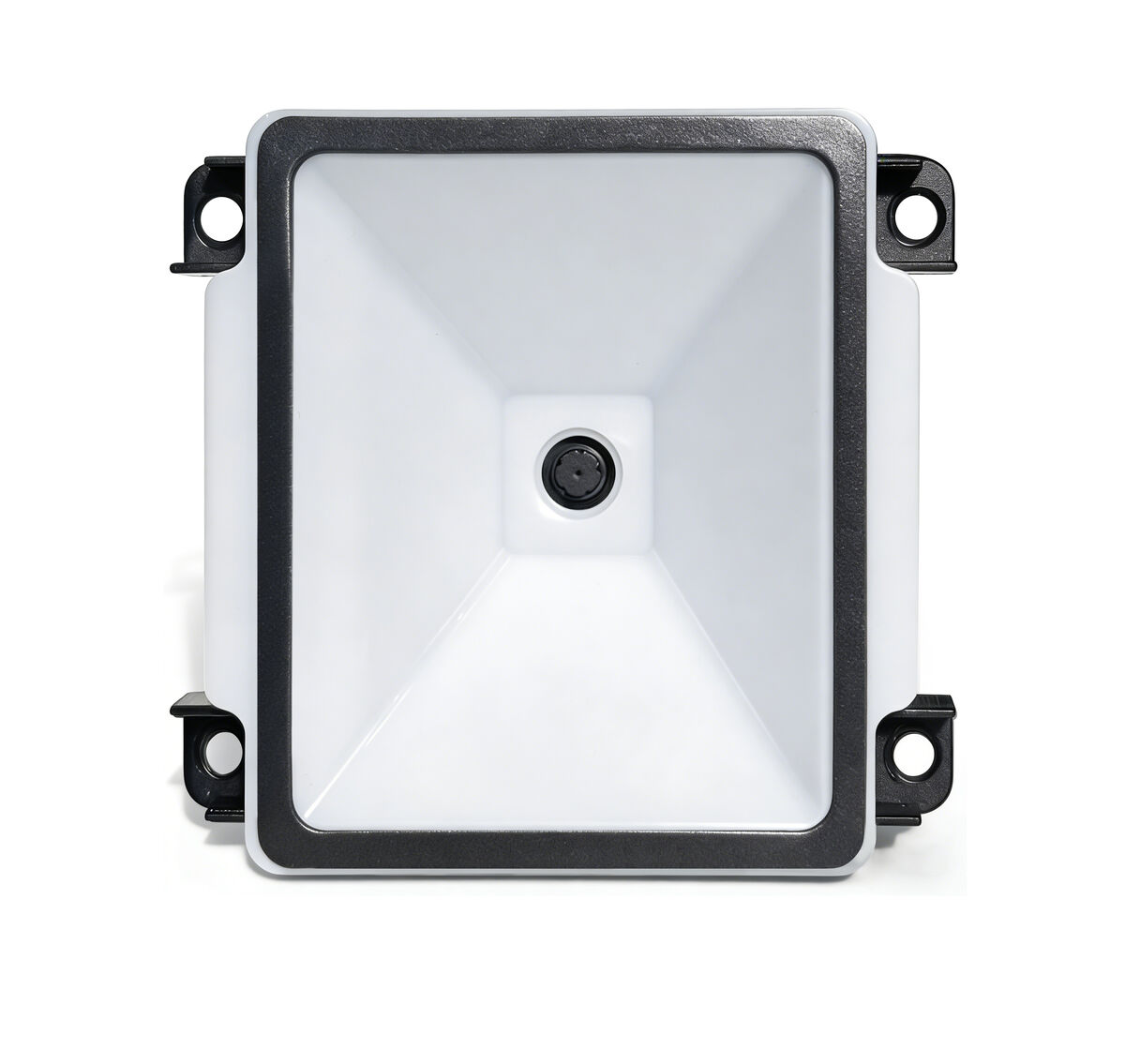
Embedded inside self-service terminals — aim the scan window and read
2. Application Scenarios
1. Campus Self-Service Book Return Terminals
The library self-service kiosk is XL-F24's typical workstation: students wave a phone campus code or a campus card barcode in front of the scan window, the engine completes the read instantly, and the borrowing record is written into the library system over the network in real time — the entire loan/return process runs unattended. Continuous scanning at peak times between classes doesn't slow down, queues visibly shorten, and librarians move from "scanning at the counter" to "patrolling in the back office".
2. E-Classboards & Classroom Sign-In
At the e-classboard by the classroom door or the sign-in screen in class, students present their personal QR codes to clock in. Screen code reading is XL-F24's strength — it stays stable even in dim light, at an angle, or behind screen protectors. Sign-in data uploads in real time, and the system automatically flags late arrivals, early departures and proxy sign-ins, making attendance management far less labor-intensive.
3. Exam Barcodes & Admission Ticket Verification
In standardized exams, barcodes on test papers and student admission tickets are routine. XL-F24 reads printed barcodes at high speed with precision: batch verification of admission tickets before exams, and barcode-based binding of test papers to student information during exams. It replaces manual transcription, eliminates mis-entries and omissions, and gives grading traceability a solid audit trail.
4. Campus Card Recharge & Payment Kiosks
At cafeteria deposit machines, utility payment kiosks and self-service printing terminals, students pay by presenting a mobile payment code. Fast screen code reading plus networked data upload completes a transaction in one to two seconds — no backlog during peak hours, and finance reconciliation is crystal clear thanks to complete scan records.
3. Technical Specifications
| Item | Specification |
|---|---|
| Product Type | Network QR code scanner / barcode reading engine |
| Image Sensor | 640×480 CMOS, in-house decoding core |
| Reading Capability | Full compatibility with screen and printed codes, fast 1D/2D reading |
| Data Transmission | Networked data upload, easy integration and management |
| Reliability | Stable and dependable, suited to high-frequency continuous scanning |
| Mounting | Embedded installation, compact design, flexible integration |
| Typical Applications | Public transit POS, gate channels, access verification, finance/medical/retail self-service terminals |
| Service Support | Factory-direct, scenario customization and integration debugging available |
Related Products
Related Articles
Not sure about your campus terminal scanning solution?
Tell us your terminal type, scan distance and code sources — free sample testing, order only after you are satisfied with the read rate.
📞 Contact Xinlong IoT