XL-M100P Embedded Scan Module for Ring Scanners & Wearable Readers
Pick-and-pack staff hold a carton in one hand and a scanner in the other. A nurse checking a patient wristband has to free a hand before scanning. Both are the same everyday problem: reading a barcode takes a hand away from the job. The XL-M100P embedded 2D scan module is a reading core built for wearable scanners — a 21.7 × 7.2 × 9 mm body that fits ring scanners, neck-strap readers and pocket Bluetooth readers, so both hands stay on the work. It suits warehouses, hospitals, retail floors and field service teams — anywhere a reader has to travel with the person using it.
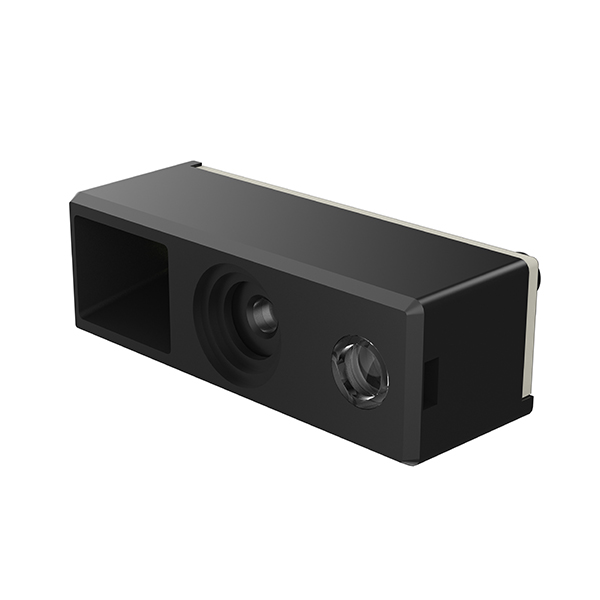
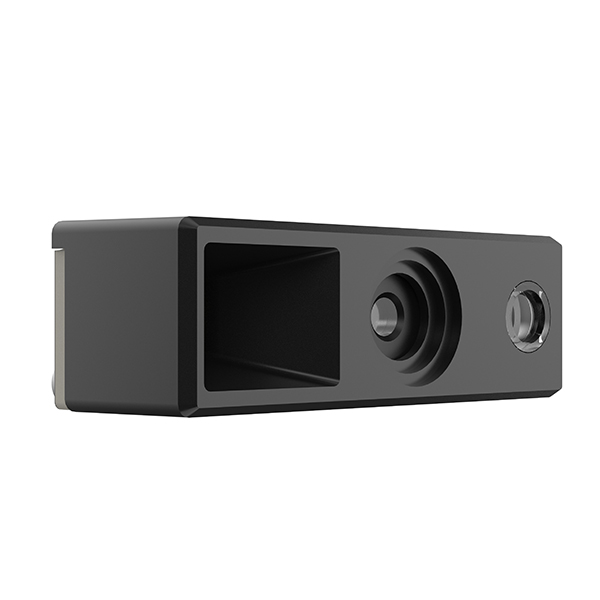
1. Why XL-M100P
The module measures only 21.7 × 7.2 × 9 mm, with a high level of integration aimed squarely at wearable devices: ring scanners, neck-strap readers and pocket Bluetooth portable readers. It carries both USB and UART, connecting to the host board through a 13-pin, 0.3 mm pitch flexible cable. Structure, pin order and firmware can all be customised to the finished product, which matters when the reader has to look and feel like part of the equipment rather than an accessory bolted onto it.
Decoding uses an advanced image recognition algorithm together with wide-angle optics for fast 1D and 2D barcode reading. The wide field of view means the user does not have to line the code up precisely — a quick pass over the label is usually enough, which is what makes the module usable on a finger or a lanyard rather than a bench. The module works across the full lighting range, from complete darkness to strong exposure, and is built to withstand impact and vibration. A bright outdoor yard and a dim warehouse aisle are equally workable — it keeps producing clean reads in harsh conditions.
A compact body and dual interfaces make it straightforward to embed in wearable reading devices, and the same module covers handheld, pocket and mounted reader designs so a product family can share one reading core.
2. Application scenarios
2.1 Warehouse picking
A ring scanner sits on the finger, so pickers can lift cartons with both hands and scan location codes and carton labels on the way past. Codes go straight into the WMS, replacing the cycle of putting the box down, picking up a handheld scanner, scanning, putting it back and lifting the box again. Over a full shift the saved movements add up to a clear gain in picking throughput, and because scanning happens in the same motion as handling the carton, pickers keep both eyes and both hands on the goods.
2.2 Hospital mobile nursing
Nurses verify patient wristbands, infusion bottle labels and specimen barcodes with a neck-strap or ring reader that stays with them. Single-handed verification reduces repeated movement and lowers the risk of errors that comes from juggling a device while working — the scan happens in the same motion as the check.
2.3 E-commerce fulfilment and retail stocktaking
A pocket Bluetooth reader is small enough to carry anywhere. Stocktaking staff walk the aisles scanning as they go, barcode data uploads in real time, and a complete count can be finished in one pass after closing, with the variance report ready immediately. Shop-floor staff do not need to borrow a till scanner or write counts down for later entry.
2.4 Equipment inspection and maintenance work orders
Inspectors scan equipment nameplate barcodes to pull up service records, and technicians scan to confirm work orders and parts. A wearable reader keeps both hands free, takes knocks, and works in the yard or on the shop floor.
3. Specifications
| Item | Specification |
|---|---|
| Dimensions | 21.7 × 7.2 × 9 mm (compact, high integration) |
| Interfaces | USB + UART dual interface |
| Connection | 13-pin, 0.3 mm pitch flexible cable (FPC) |
| Reading | 1D and 2D barcodes; advanced image algorithm with wide-angle optics |
| Lighting | Full range, from complete darkness to strong exposure |
| Reliability | Withstands impact, vibration and strong exposure |
| Typical use | Ring scanners, neck-strap readers, pocket Bluetooth readers |
For integrators, the practical starting point is the mechanical drawing and the 13-pin FPC pinout: both are fixed early, so the reader housing can be designed around the module rather than the other way round. USB suits a cabled pocket reader, while UART is the usual choice when the module talks to an existing handheld or wearable mainboard.
Related products
XL-M100P Scan ModuleOEM Scan Engines
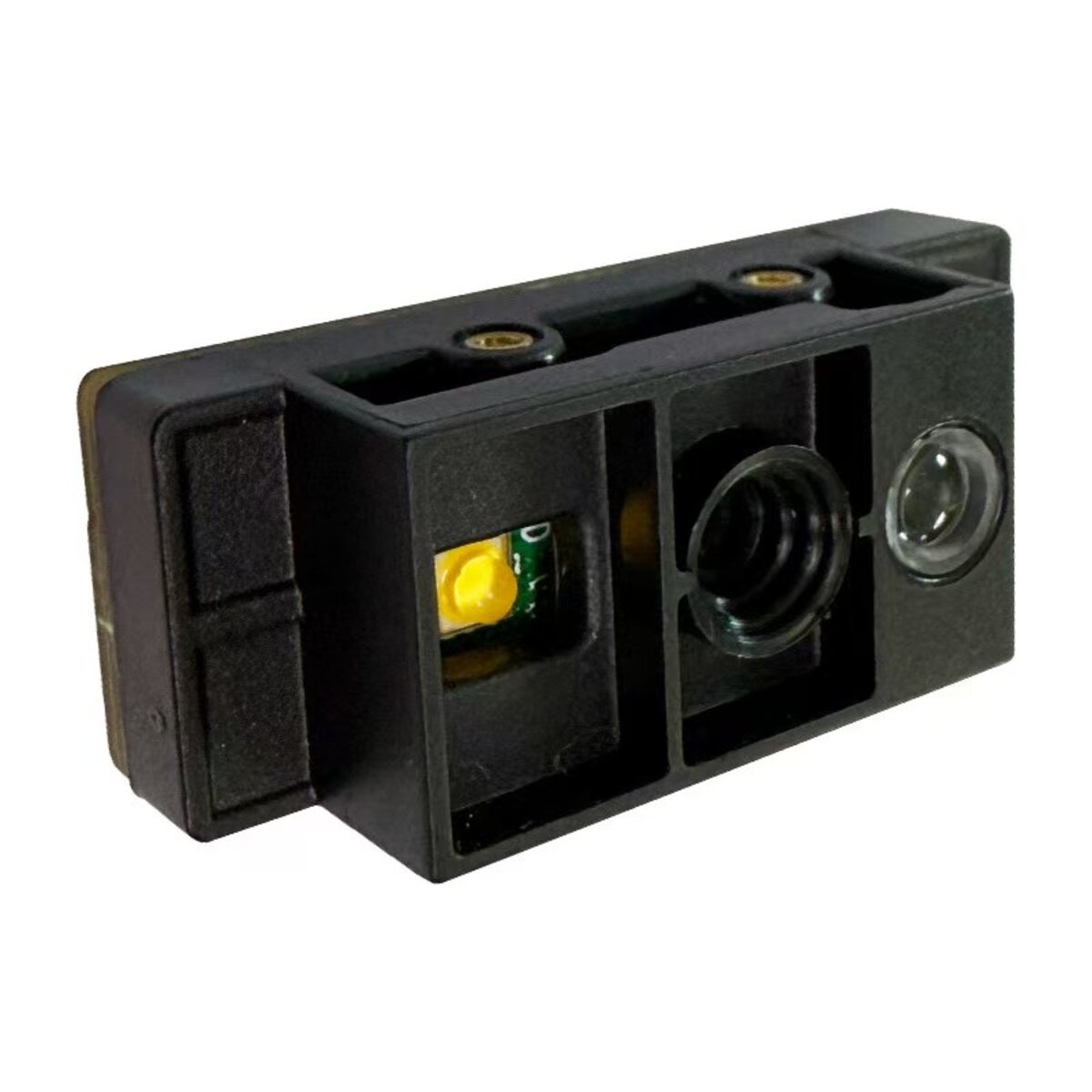 XL-F3-BW OEM EngineOEM Scan Engines
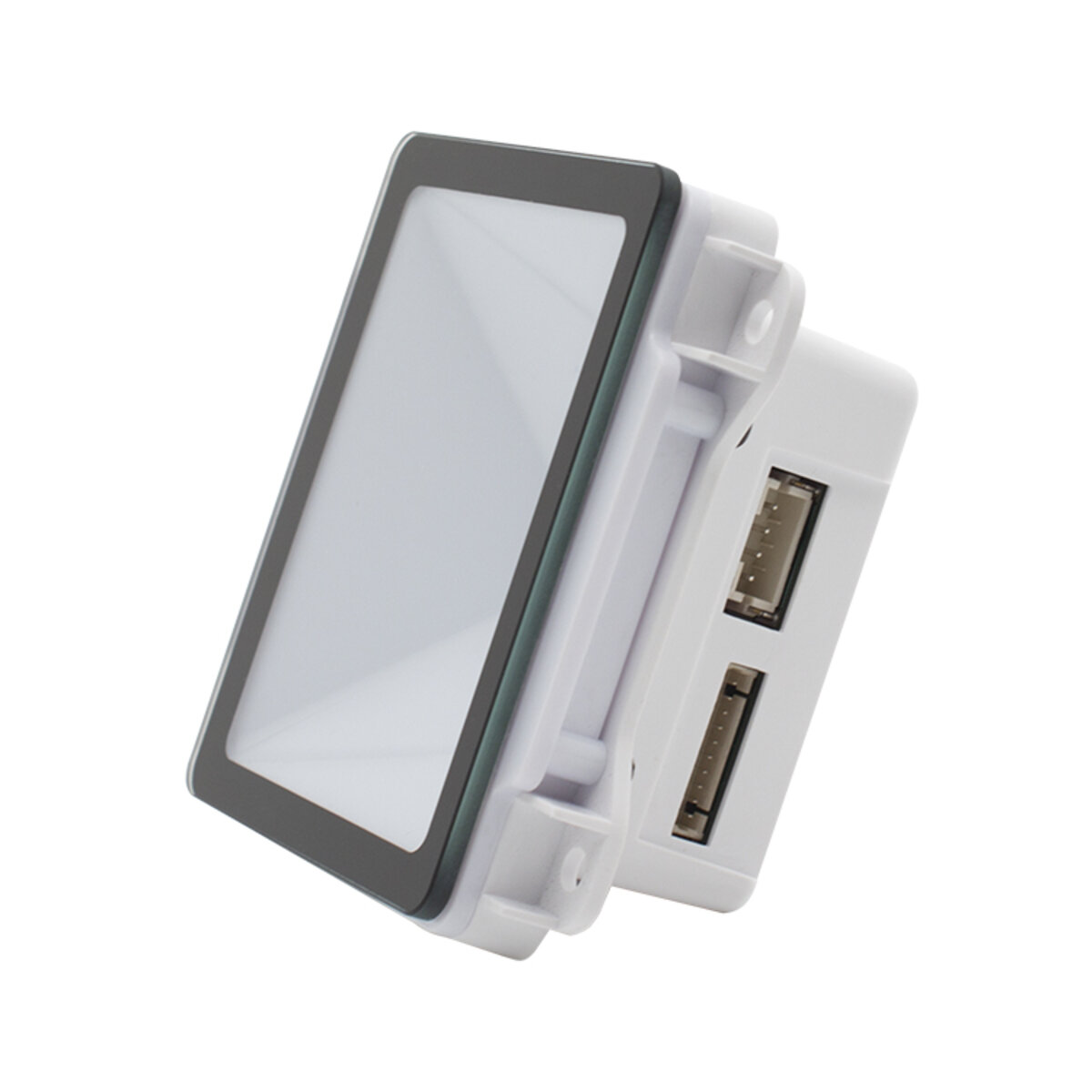 F21-NFC ModuleOEM Scan Engines
Related articles
Developing a barcode device? Get a free sample.
Tell us your device type and internal space — free sample testing, order only after you are satisfied with the read rate.
📞 Contact Xinlong IoT