Cold Chain Barcode Management: Sorting, Shelf Life and Handover
Cold chain runs on one rule: the chain never breaks. Fresh produce travels from grower to table, a vaccine from factory to vaccination point, with temperature logged throughout and every batch traceable. The barcode is the baton passed at each handover: one scan lines up batch, expiry date and temperature. This article covers the four stages where scanning decides the outcome, and what low temperature and high humidity ask of the equipment.
1. Four Key Scanning Stages
1. Fresh Warehouse Receiving and Sorting
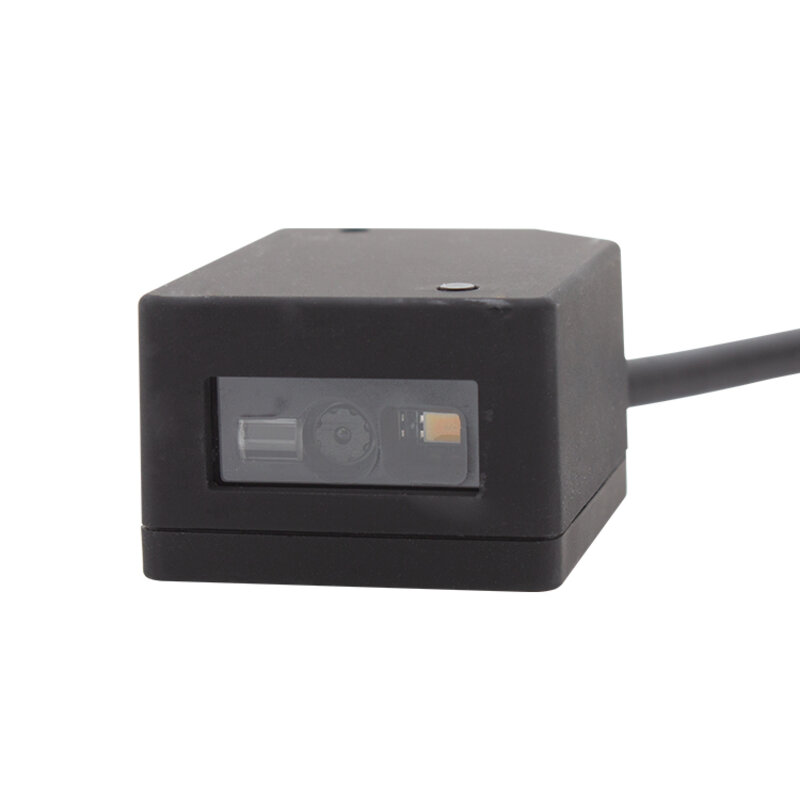
A fresh e-commerce warehouse or central kitchen takes in crates all day, each with a carton code and a batch code, usually Code 128 or GS1-128. Inbound scanning records batch, origin and arrival time. On the sorting line crates pass at speed; a fixed-mount scanner reads them automatically and links each to an order, so the system knows which wave and which store it goes to. One misread at that check throws out the outbound data for the whole wave, which is why this stage sets the highest bar for read speed and accuracy.
2. Cold Store: Shelf-Life and Stocktaking
Two things go wrong in a cold store: goods expire, and goods cannot be found. Food and pharmaceuticals generally run on FEFO, first expired first out, and staff reading labels by eye cannot keep up. Inbound scanning captures the expiry date; stocktaking uses a wireless scanner to read pallet by pallet, near-expiry batches raise an alert automatically, and first-in-first-out is enforced by the system. That ends the loss pattern where new stock buries old stock and the expiry is only noticed on the shelf.
3. Transport: Temperature-Controlled Handover and E-Receipts
When a refrigerated truck reaches a store or warehouse, driver and receiving clerk scan the waybill and goods batch against each other, upload the trailer temperature record at the same time, and generate an electronic receipt carrying a barcode. If the temperature went out of range, the system flags that batch automatically and the receiver can refuse it or handle it separately. Goods, temperature and paperwork resolved under one code keep responsibility traceable through every handover.
4. End-Point Stores and Pharmacies: Traceability Verification
Fresh stores scan goods onto the shelf as they receive them. A pharmacy or clinic taking in cold chain medicines has to scan the traceability code to complete drug tracing and write-off, which puts upstream supplier, batch number and expiry date in plain view. At the counter a handheld scanner gun works out of the box and takes minutes to train — the last leg of the cold chain traceability loop.
2. What Cold Chain Environments Ask of Scanning Equipment
Cold chain sites are not ordinary warehouses. Four conditions come up again and again:
- Low temperature and condensation. The temperature gap between store and outside is large, so equipment moving in and out condenses and fogs. Check the operating temperature range and protection rating, and prefer an industrial-grade design.
- Frosted, wrinkled labels. A cold label can wrinkle, carry frost or throw back glare, and ordinary devices misread it, so the decode algorithm and the supplementary lighting have to be strong.
- High-density traceability codes. GS1-128 and Data Matrix pack a lot of data into a small area, so the scanner has to read small codes at high precision.
- Wireless range and battery life. Scanning on the move inside the store wants a wireless model; metal racking attenuates the signal, so Bluetooth distance and battery runtime feed straight into what a shift gets through.
3. Matching Equipment to Each Stage
| Stage | Recommended equipment | Why |
|---|---|---|
| Automatic reading on sorting and conveyor lines | G4205 fixed-mount scanner | High-performance decode engine reads fast-moving codes accurately; industrial-grade design runs 7×24 continuously |
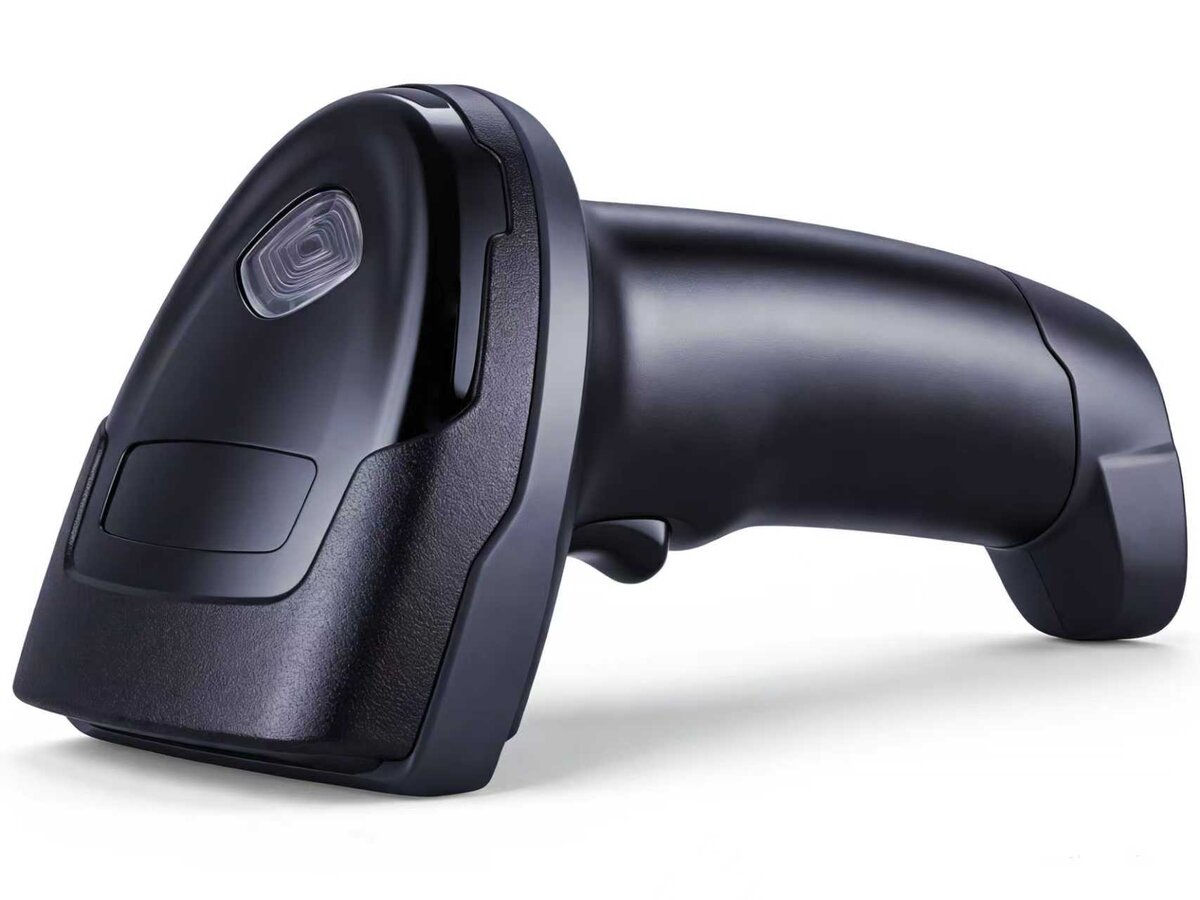
| Mobile stocktaking and picking inside the cold store | XL-W66HD wireless scanner | Bluetooth transmits stably at 30 m; IP42 protection and 1.5 m drop resistance; over 8 hours of runtime on one charge |
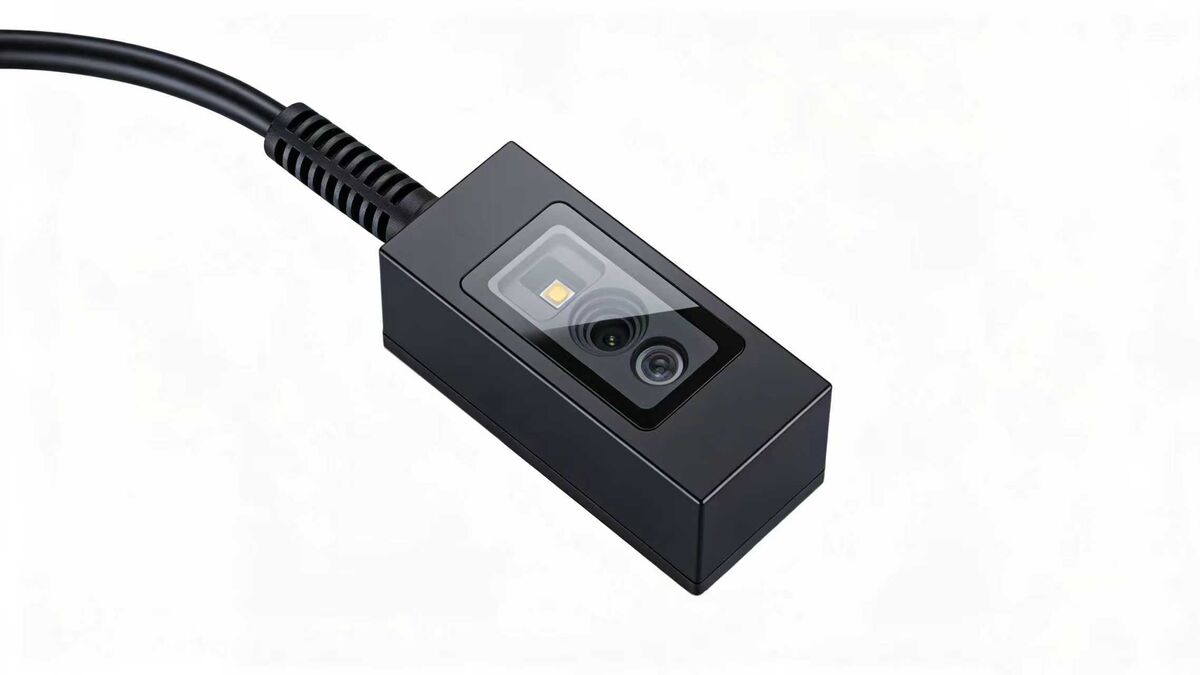
| Refrigerated truck handover and store verification | 1620 wired 2D scanner | USB plug-and-play with no setup barrier; reads printed codes and on-screen codes both ways, so handover paperwork is scanned as it happens |
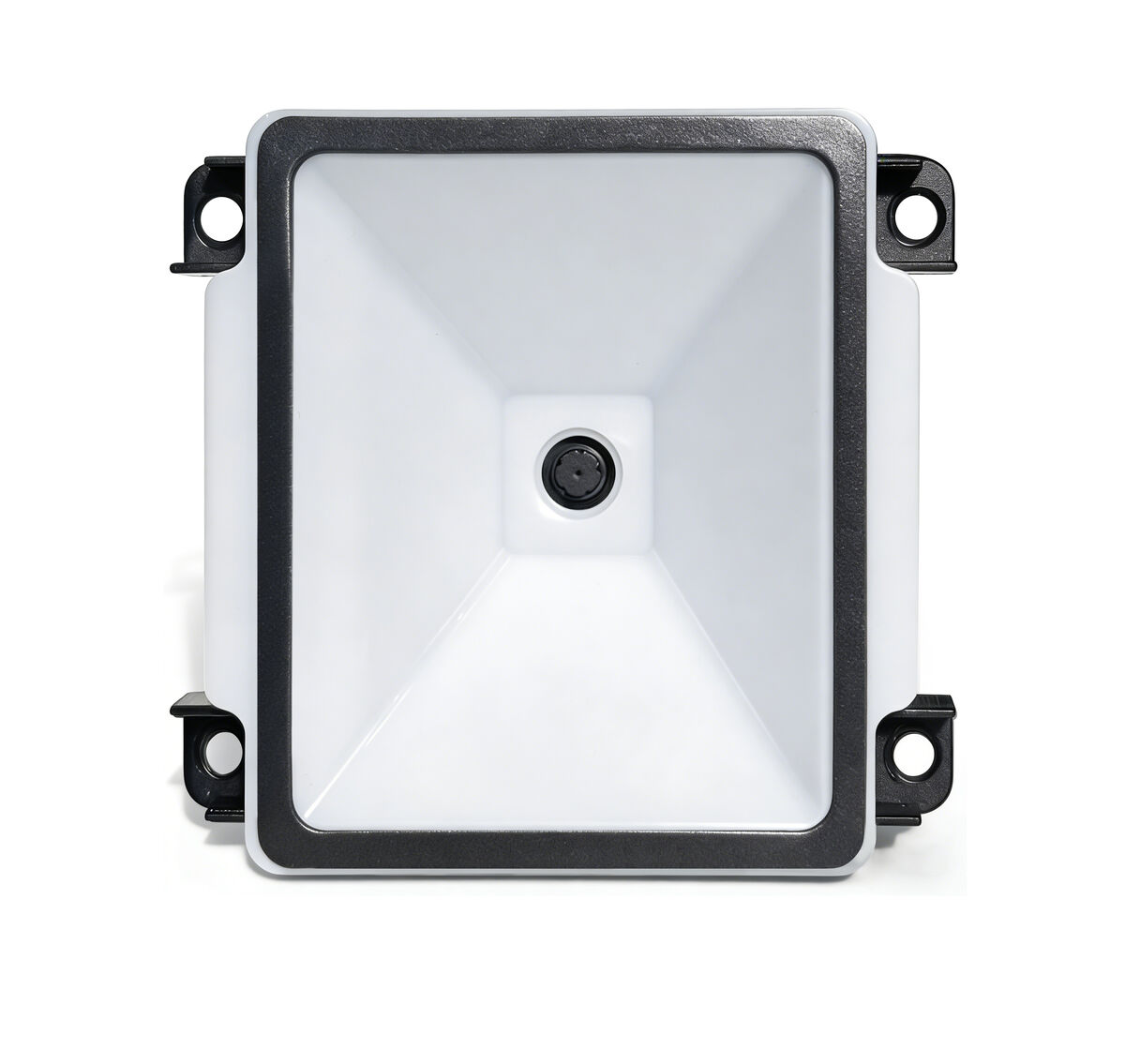
| Self-pickup lockers and integrated terminals | F4100 embedded scan module | Small enough to embed easily; supports Data Matrix and other full symbology sets; wide operating temperature of -20℃ to +60℃ |
Related products
G4205 Fixed ScannerIndustry Guides
 XL-W66HD Wireless ScannerIndustry Guides
 F4100 Scan ModuleIndustry Guides
Related articles
Developing a barcode device? Get a free sample.
Tell us your device type and internal space — free sample testing, order only after you are satisfied with the read rate.
📞 Contact Xinlong IoT