XL-7160 Fixed-Mount 2D Scanner: Fast Scanning for Turnstiles & Self-Service Terminals
A passenger waves a phone at the turnstile scanner — twice, and nothing beeps. They stop and line it up again while the queue builds behind them. Gate verification asks one simple thing of a scanner: read it as people walk through, whatever the screen brightness or the screen protector. The XL-7160 fixed-mount 2D scanner is built for exactly this job: a 640×480 CMOS imager behind a 72°(H)×64°(V) wide field of view that takes "aiming" out of the equation.
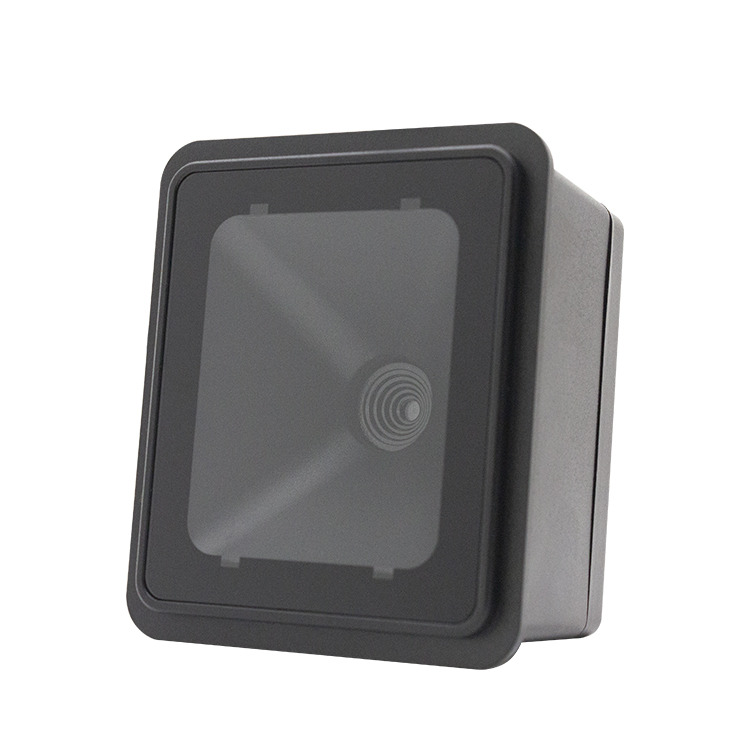
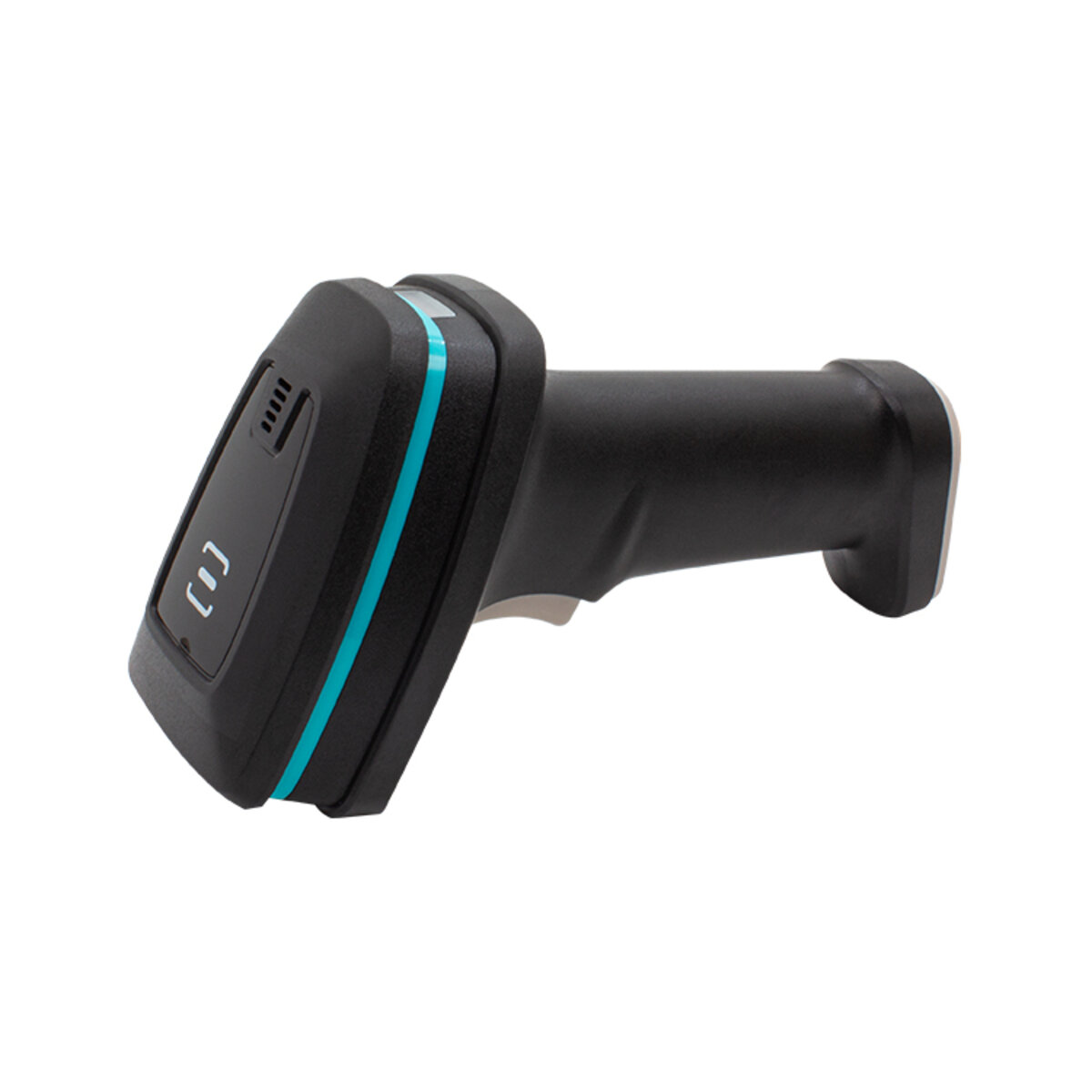
XL-7160 fixed-mount 2D scanner · wide 72°×64° field of view, screen codes without backlight
1. What Makes Gate Scanning Hard
Gate lanes live under three constraints: speed (a second or two per passenger at peak), code variety (dim transit codes on phones, anti-peep films, screen glare, creased paper tickets) and space (everything must fit inside the turnstile panel). A narrow-field design pushes the whole job onto the passenger — stop, aim, retry — and every failed read slows the lane down.
Phone screens make it harder still: the display glows, contrast drops at low brightness or behind a film, and ordinary imagers struggle. Reading screen codes with no backlight is the spec gate integrators most often overlook — and the one that matters most.
2. One Shot Covers the Whole Lane
With a 72°(H) × 64°(V) field of view and a 640×480 CMOS sensor, the XL-7160 captures far more area per frame: a code anywhere in view decodes in one pass, so a quick wave is enough and the lane keeps moving. Around that core it adds four capabilities aimed squarely at throughput:
① Omni-directional 1D/2D reading: QR, Data Matrix, PDF417, Aztec, Hanxin and more, plus UPC/EAN, Code 128/39 and other 1D symbologies — transit codes, e-tickets, health cards and membership codes read without switching modes.
② Screen codes without backlight: dimmed phones and anti-peep films still decode, so nobody has to stop and brighten their screen.
③ Motion tolerance over 2 m/s: passengers keep walking — well above the ~1.2 m/s of normal walking pace.
④ Object auto-sense triggering: reading starts as soon as an item approaches; no external trigger switch, no wiring changes inside the gate.
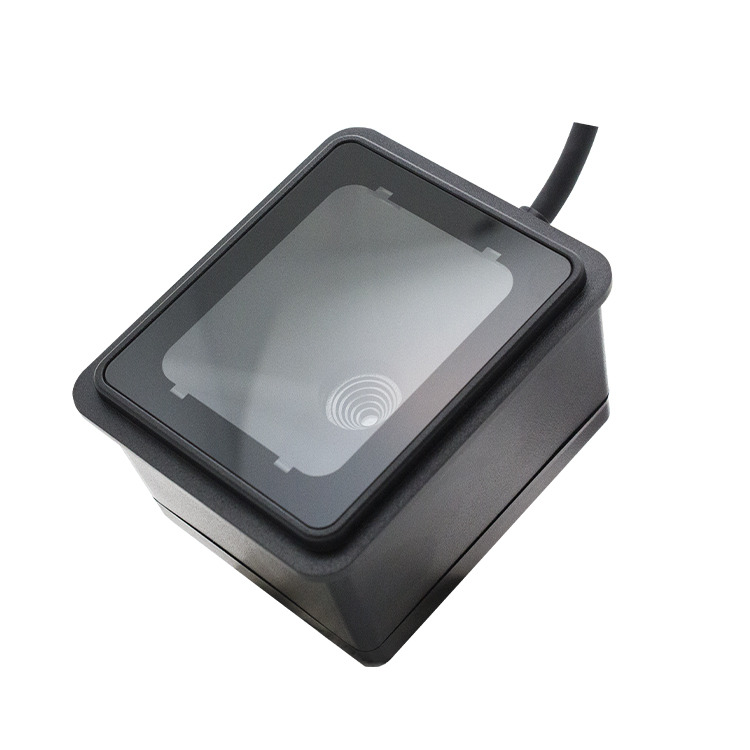
Built-in RS232 and USB with cable output — straightforward integration
3. Built to Drop Into a Gate or Kiosk
The 77.5×66×45 mm, 75 g housing has 4 mm counter-bored fixing holes with moulded-in M3×4 nuts, so it bolts straight onto turnstile panels, kiosk brackets or production-line fixtures — no extra mount on the lens side. Electrically it runs on 3.3–5 VDC at just 200 mA, with built-in RS232 and USB: serial for direct connection to industrial PCs and controller boards, USB for quick bench setup. Barcode data transfers to the host in multiple languages, keeping integration effort low.
On reliability, it operates from -50°C to 85°C, shrugs off 0–100,000 Lux of ambient light and survives 1.5 m drops — outdoor gate faces in direct sun, unheated passages and bright station halls are all within range.
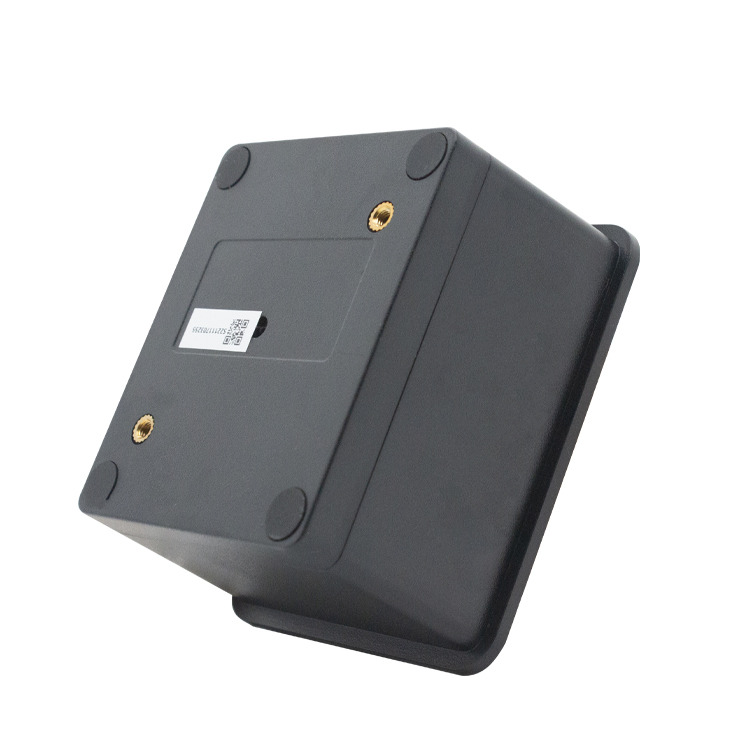
Mounting holes with 4 mm counterbores and moulded-in M3×4 nuts
4. Where It Fits
1. Turnstile access verification (metro, campuses, venues, offices)
The wide field of view and motion tolerance lift peak throughput; no-backlight screen reading handles dimmed phones; 0–100,000 Lux immunity keeps outdoor lanes working all day.
2. Healthcare self-service and specimen ID
Self-service registration and report-print kiosks read a mix of electronic health cards and paper slips; the -50°C to 85°C range and 1.5 m drop resistance suit busy labs and emergency departments.
3. Cinema and station ticket check
Electronic and paper tickets verify in one pass from any angle; auto-sense triggering keeps check-in to a single gesture.
4. Fixed stations on production lines
Product and routing codes read at fixed positions and stream over RS232; a 200 mA draw keeps multi-station wiring simple.
5. Specifications
| Item | Specification |
|---|---|
| Image sensor | 640 (H) × 480 (V) CMOS |
| Field of view | 72° (H) × 64° (V) |
| Minimum resolution | ≥ 3.9 mil |
| Motion tolerance | > 2 m/s |
| Roll / Pitch / Yaw | 360° / ±65° / ±60° |
| Decode ranges | 6.88 mil (PDF417): 0–50 mm; 10 mil (Data Matrix): 0–50 mm; 13 mil (UPC-A): 5–110 mm; 20 mil (QR): 0–100 mm |
| Symbologies | 2D: PDF417, Data Matrix, MaxiCode, QR, MicroQR, Aztec, Hanxin and more; 1D: UPC/EAN, Code 128/39/93/11, Codabar, GS1 DataBar and more |
| Interfaces | RS232, USB |
| Voltage / current | 3.3–5 VDC / 200 mA |
| Dimensions | 77.5 × 66 × 45 mm |
| Weight | 75 g |
| Operating temperature | -50°C ~ 85°C |
| Ambient light immunity | 0 – 100,000 Lux |
| Shock | Withstands 1.5 m drops |
| Mounting | 4 mm counter-bored holes + moulded-in M3×4 nuts |
| Applications | Turnstile access, healthcare self-service and specimen ID, ticketing check-in, production-line stations |
Related products
Related articles
Building a turnstile or self-service terminal?
Tell us your device format, lane width and daily footfall — free sample testing, order only after read rate and speed perform.
📞 Contact Xinlong IoT