XL-F3-BW Embedded Scan Module for Pet Medical Terminals
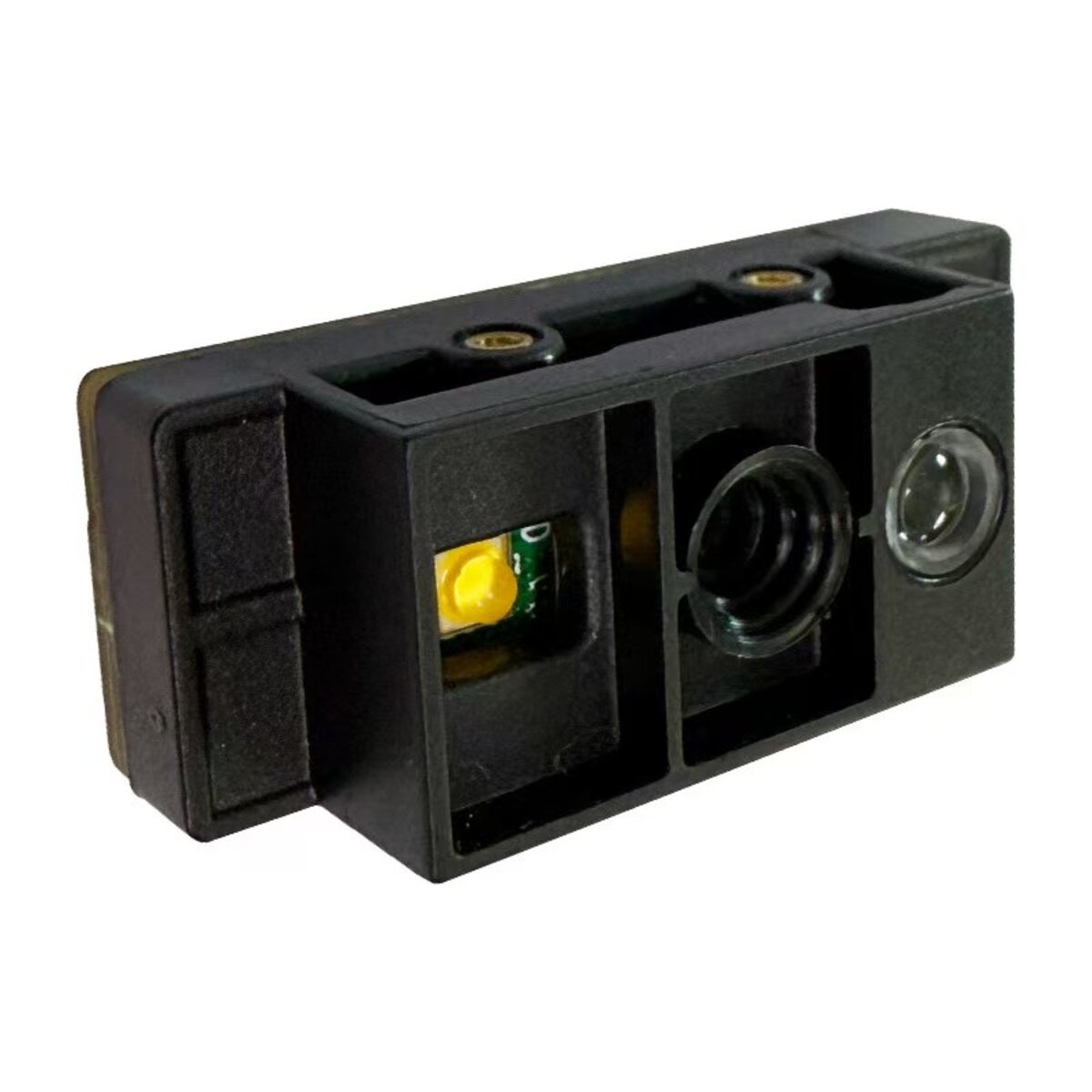
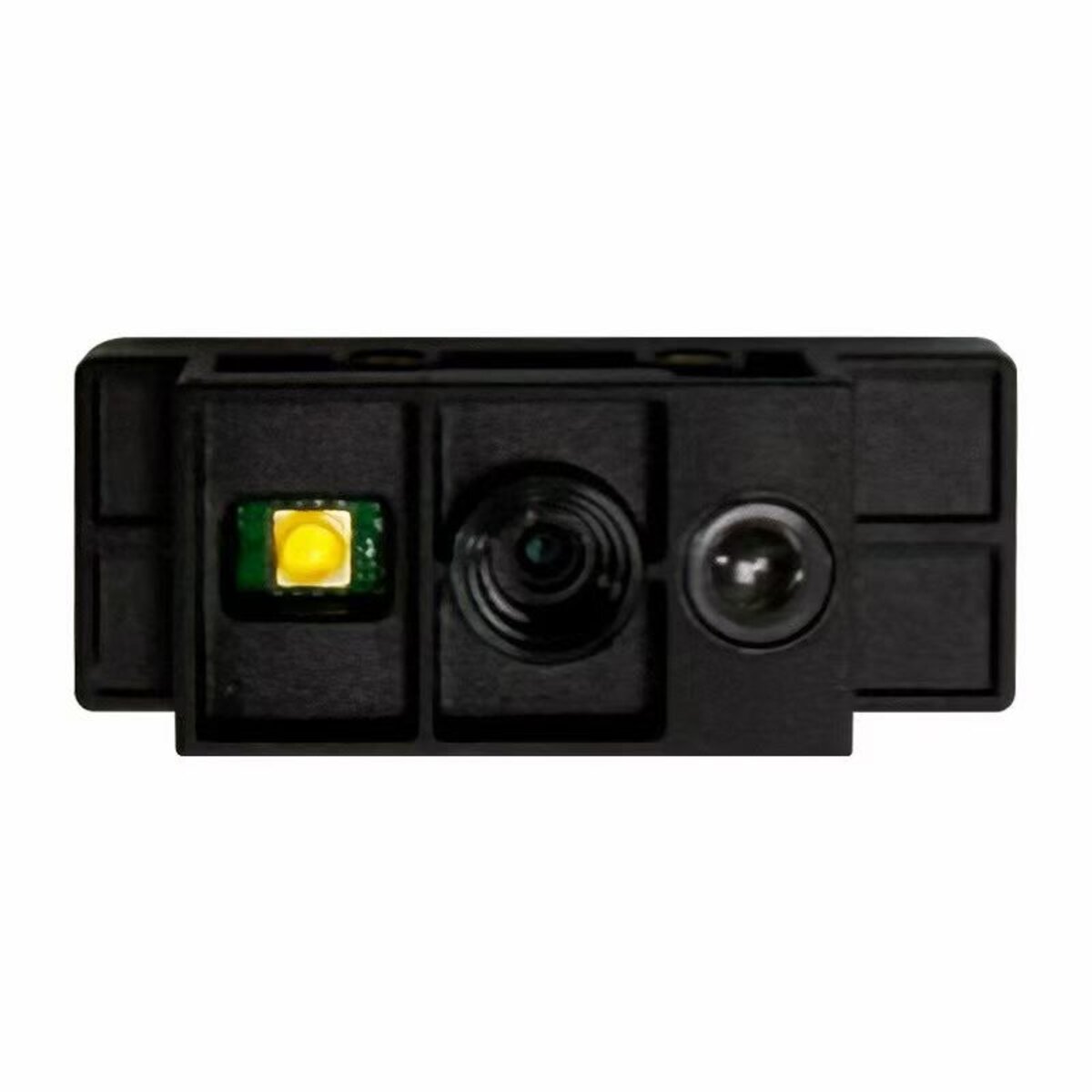
Pet care runs on records now: electronic medical files, vaccination histories, laboratory sample tracking, veterinary drug batch traceability — every step joined by a scan. Pet hospital equipment is small, densely integrated and expected to look neat, while an external scanner gun takes up counter space and disrupts the workflow; the read engine belongs inside the registration terminal, the analyzer or the drug cabinet. The XL-F3-BW integrated barcode recognition engine carries a dual-core high-performance controller in a 36×14×11.3mm housing that weighs 5g, making it a dependable choice for embedded reading in pet medical terminals.
1. Why Choose the XL-F3-BW
Reading conditions in pet care are harder than they look: an owner's appointment voucher is a screen code, vaccine vials and drug packs carry small 1D codes, and test tubes carry high-density 2D labels. One device has to read all three, quickly and reliably.
The XL-F3-BW uses a 1280×960 high-resolution image sensor with an in-house heterogeneous multi-vector acceleration design, so decoding stays stable under complex lighting, on wrinkled barcodes and at longer distances; 1D reading precision reaches 3.3mil. Low-power One-Shot control holds standby consumption at 200mW typical, low enough for battery-powered portable instruments.
The module provides USB, TTL232 and RS232 interfaces and supports an extended Ethernet protocol. ImageTool debugging software comes with it, shortening OEM integration and debugging.
2. Application Scenarios
1. Front-Desk Registration and Record Creation
A front desk handles a steady stream of first and return visits. With the XL-F3-BW inside the registration terminal, staff scan the appointment QR code on the owner's phone to open a record, or scan the barcode in the pet's immunization booklet to pull up its case history. Screen reading decides this job — phone screens carry films and vary in brightness — and the F3-BW reads them consistently, shortening the queue.
2. Vaccination and Rabies Control Records
Dog vaccination requires the batch number and date on file, plus an immunization certificate. At a station fitted with the XL-F3-BW, the vet scans the batch code on the vial and then the ear tag or booklet barcode, and the record is written to the electronic file automatically. Rabies control data synchronises to the district management system, with due-date reminders and booster notices generated at a click, replacing paper ledgers.
3. Laboratory Sample and Report Tracking
Blood counts, biochemistry and PCR move a sample through collection, submission and reporting. Each tube carries a high-density 2D label; an analyzer with the XL-F3-BW inside reads the sample number and links it to the pet's file, ruling out mix-ups. After the report is printed, one scan traces back to the original data, so test quality is auditable and a dispute has evidence behind it.
4. Drug, Prescription Diet and Consumable Inventory
A hospital stocks drugs, prescription diets and surgical consumables in many categories and mixed batches. Embedded in a drug cabinet or store terminal, the F3-BW records stock movements at the scan, validates batch and expiry, and flags near-expiry stock early. Veterinary drug traceability codes are verified in the same operation, keeping origin and destination traceable and cutting expiry write-offs.
3. Specifications
| Item | Specification |
|---|---|
| Product type | Integrated barcode recognition engine (embedded scan module) |
| Image sensor | 1280×960 high-resolution CMOS |
| Decode technology | Dual-core high-performance controller + heterogeneous multi-vector acceleration + low-power One-Shot control |
| Reading precision | 1D ≥3.3mil (CODE128 3.3mil readable) |
| Typical depth of field | CODE128 3.3mil: 5-8cm; CODE128 10mil: 4-21cm; QR 20mil: 5-26cm |
| Barcode types | 1D: Code 39/93/128, EAN/UPC, Codabar, GS1 DataBar, etc.; 2D: QR, Data Matrix, PDF417, MicroPDF417, Aztec, Grid Matrix, etc. |
| Scan angle | Tilt ±60°, skew ±60°, rotation 360° |
| Field of view | 42° horizontal, 31.5° vertical |
| Operating voltage / power | 3.3V±5% / 200mW (typical), 65mA@3.3V |
| Dimensions / weight | 36×14×11.3mm (max) / approx. 5g |
| Environmental | Storage temperature -40℃~+70℃; operating humidity 5%~95% non-condensing; ambient light 0-100000LUX |
| Communication | USB / TTL232 / RS232, Ethernet protocol extension supported |
| Debugging software | ImageTool integrated debugging software |
| Typical applications | Pet medical terminals, laboratory instruments, drug cabinets, self-service registration kiosks, portable diagnostic devices |
Related products
XL-F3-BW OEM EngineOEM Scan Engines
 XL-M100P Scan ModuleOEM Scan Engines
XL-108 OEM EngineOEM Scan Engines
XL-M100P Scan ModuleOEM Scan Engines
XL-108 OEM EngineOEM Scan Engines
Related articles
Developing a barcode device? Get a free sample.
Tell us your device type and internal space — free sample testing, order only after you are satisfied with the read rate.
📞 Contact Xinlong IoT