Reading Tiny Consumable Codes: An Embedded Scan Engine in a Dental Treatment System
In root canal treatment, a rotary file can separate inside the canal. It is rare, but it is the kind of event clinicians plan around: the file is small, it spins under load, and once it is inside the tooth there is no way to inspect it. The practical answer is not to inspect the file but to track it — to know which file went into which case, how many times it has been used and when it should be retired.
That answer only works if the machine can read the code on a part barely wider than a matchstick. This is the problem a next-generation root canal treatment system (Monolizh) brought to us, and the reason its enclosure now carries an embedded scan module.
Why a consumable code is harder than a carton code
A shipping label is printed large, flat and at a comfortable distance. A file label is the opposite: the part is a few millimetres across, the code is dense, the surface is curved and the module has to sit a centimetre or two away inside a handpiece-sized enclosure. At that distance a conventional LED ring produces a bright spot on the label, and the glare can wipe out the contrast the decoder needs.
There is a second constraint that matters just as much in a medical device: the scanner must disappear. It cannot change the industrial design of the instrument, it cannot add a fan or a cooling gap, and it has to keep working through a normal clinical day.
What the module had to do
- Image the code, not the glare. Even illumination at 10–20 mm, with no hot spot on a curved label.
- Resolve a dense code. A one-megapixel sensor gives the decoder enough pixels per module element at close range.
- Fit a thin body. 21.6 mm of thickness, with the decoder board and camera integrated rather than stacked.
- Speak the machine's language. USB, RS-232 or TTL-232, chosen once by the equipment maker.
- Stay configurable. ImageTool for parameters, OtaToolV for firmware, so a production change does not mean a redesign.
Where the XL-F42-YL fits
The XL-F42-YL is the module we proposed for this class of application. Its soft-light illumination system diffuses the beam across the code surface instead of concentrating it, which is what makes a 15 mm working distance usable on a curved label. The one-megapixel sensor covers printed labels and screen codes with the same module, and the 21.6 mm body lets it sit inside a compact instrument without changing the outline.
In the treatment system, the module reads the consumable as it is loaded, so the software knows which file is in the handpiece before the motor starts. That single data point is what makes the rest of the chain possible: a usage counter per file, a torque record tied to that file, and a warning when the file approaches the end of its rated life.
None of this requires the scanner to be visible to the clinician. It reads, passes the string over the serial link and goes back to waiting.
Beyond dentistry
The same combination — soft light, close range, small body — shows up wherever a machine handles small labelled items:
- Pharmacy automation and automatic dispensing cabinets
- LIMS sample tracking from reception to analyser
- IVD instruments reading reagent and cartridge codes
- Medical waste sorting and traceability stations
Evaluate it on your own media
Read rate on a curved, glossy or low-contrast label cannot be settled from a datasheet. Send a section of the real tube, vial or part with its label, tell us the working distance and the interface you need, and we will confirm the read rate before you commit to a mounting position. If the geometry does not work, we will say so — a module that reads reliably at the bench but fails in the instrument helps nobody.
Send a sample for a read-rate check
Tell us the part, the code type and the space you have. We will reply with a module proposal and a sample plan.
📞 Contact Xinlong IoTRelated products
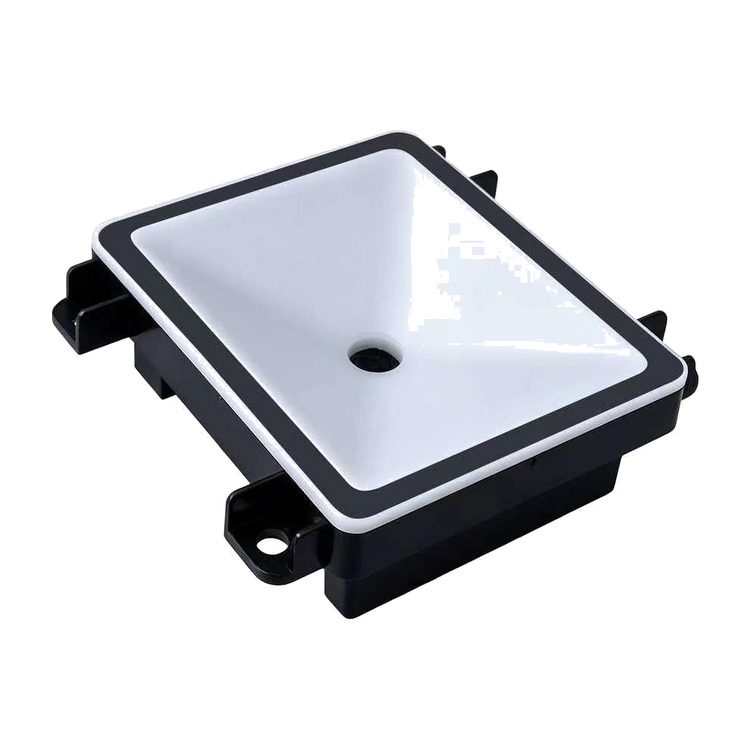 XL-F42-YLSoft-light embedded scan module
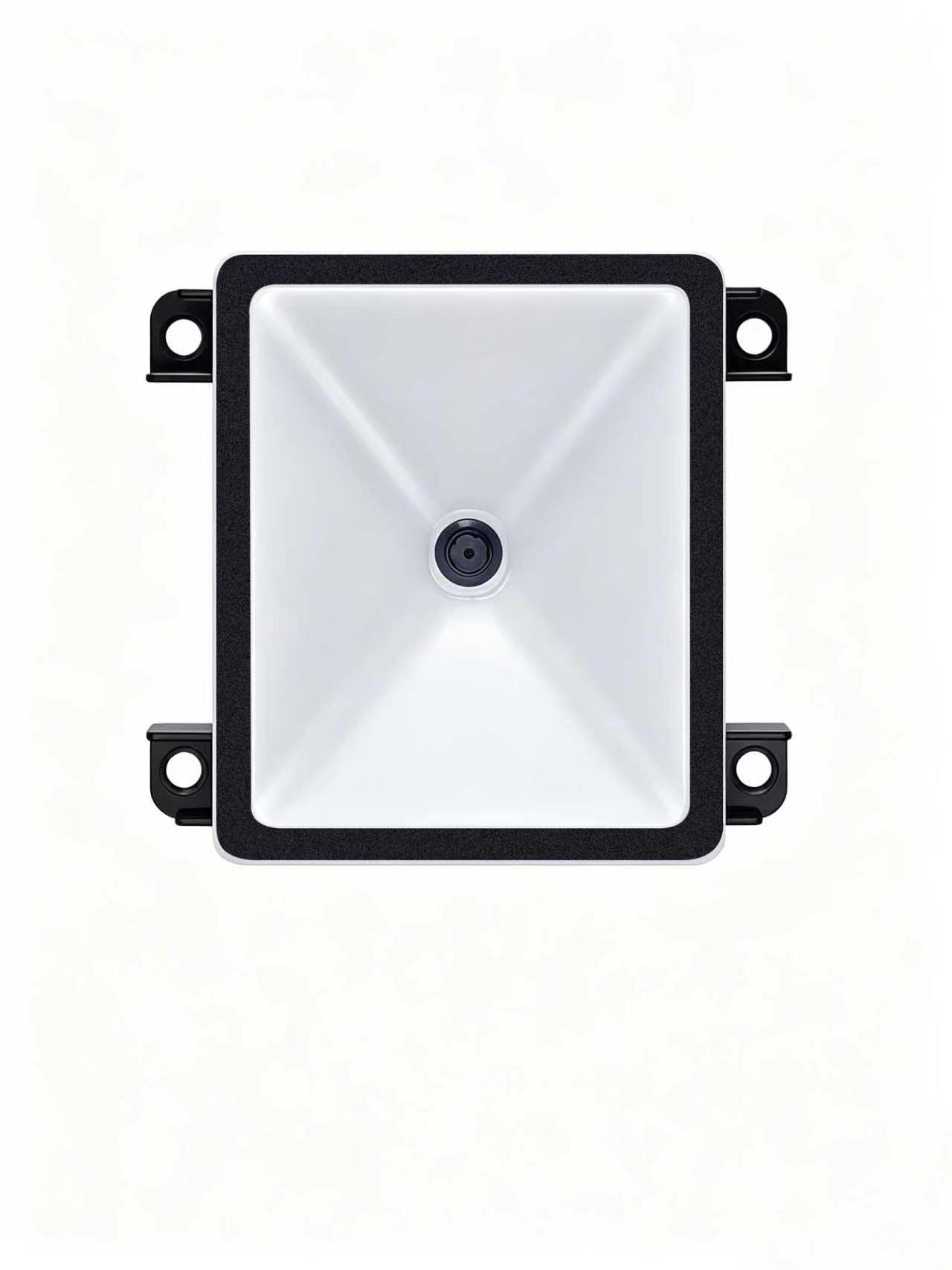 F42-MRZPassport and ID reader module
 G4503Ultra-thin fixed-mount DPM scanner