How to choose an OEM scan engine
An OEM scan engine is the scanning core that goes inside your device. Four specifications decide whether it fits — and they are rarely the ones on the first page of a datasheet.
1. Size against your panel
Measure the space behind the window, not just the front opening. The XL-M100P is 21.7 × 7.2 × 9 mm and suits ultra-thin handhelds and wearable readers; the XL-108 is 21.6 × 14.7 × 14 mm with the decode board and camera in one block. Leave clearance for the ribbon cable and for the connector, which is usually deeper than the engine itself.
2. Engine only, or engine with a decode board
An engine-only module sends raw image data and expects your host to decode. An engine with an on-board decoder outputs the barcode string directly over USB or serial, which shortens integration time and removes the need for a decoder licence on your side. XL-108 and XL-M100P include decoding; specify engine-only only when your platform already has a decoder you trust.
3. Interface: USB, TTL-232 or RS232
USB HID is driver-free and enumerates as a keyboard, which is the fastest route for Windows and Android hosts. Virtual COM or TTL-232 suits embedded boards where you control the firmware. RS232 is for long cable runs and industrial cabinets, where TTL would pick up noise. Decide this before the mechanical design: the connector usually drives the housing.
4. Optics, lighting and code type
Fixed-focus optics are tuned to a working distance; ask for the depth of field at your actual code size, not the widest figure in the datasheet. Printed labels and phone screens behave differently, and DPM marks on machined or reflective parts need multi-light illumination — the G53-AI switches between red and white light automatically for that reason.
Models & Key Specs
Click any model for full details and spec sheets, or request a quote directly.
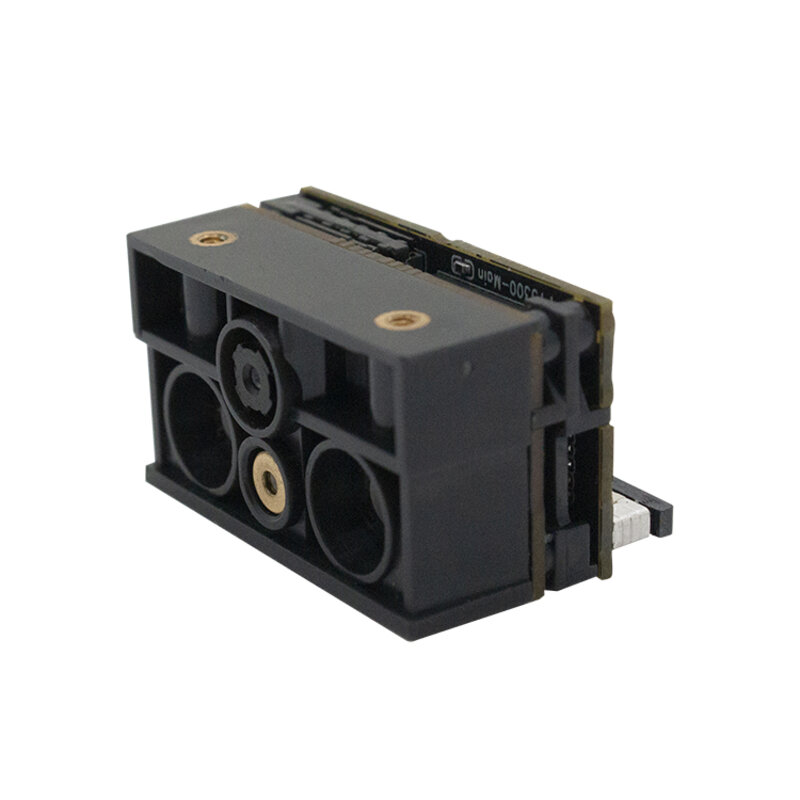
XL-G1
Industrial OEM scan engine built for high-duty-cycle environments — manufacturing, logistics and heavy-duty scanning.
- Industrial-grade, high duty cycle
- Robust for harsh environments
- Factory & logistics automation
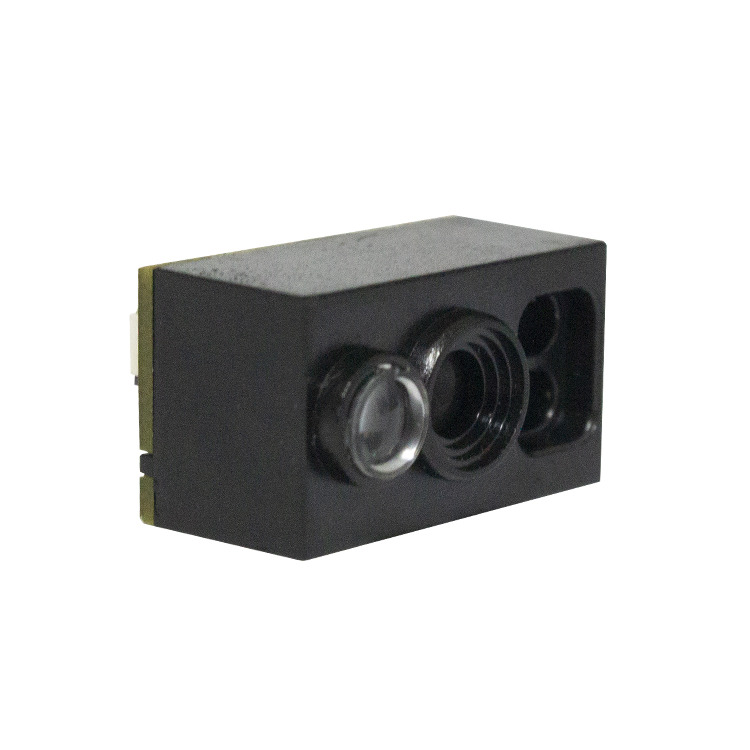
XL-108
Ultra-compact 21.6 × 14.7 × 14 mm engine with integrated decode board and camera — made for embedding.
- 21.6×14.7×14 mm, board + camera
- 640×480 CMOS, ≥5 mil
- TTL-232 / USB, DC 3.3 V
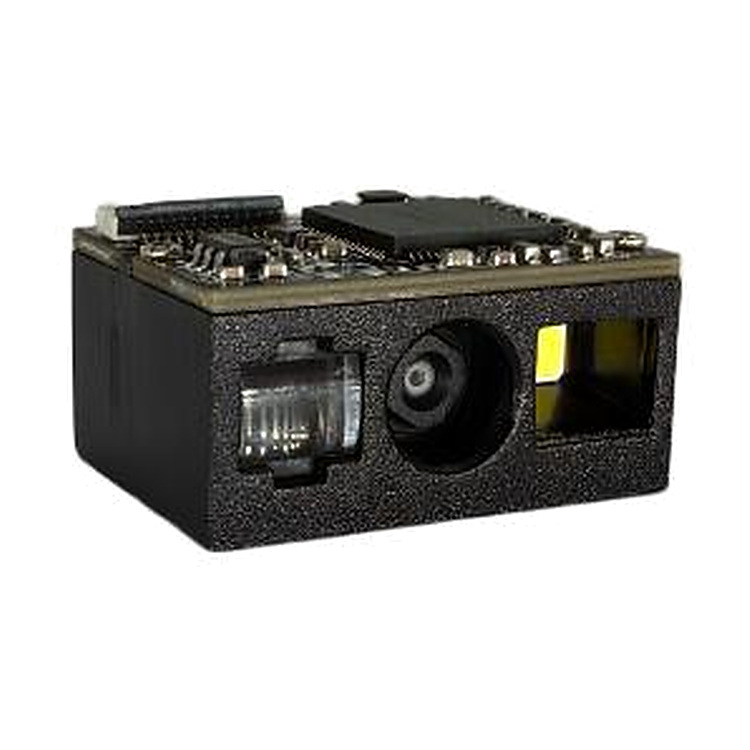
XL-609-SSR
21.3 × 14.5 × 11.2 mm OEM 2D scan engine at 5 g — 640×480 CMOS with TTL-232 / USB for PDA and kiosk integration.
- 640×480 CMOS, 85.8° diagonal FOV
- 5 mil (1D) minimum resolution
- TTL-232 / USB / USB COM, 3.3 V
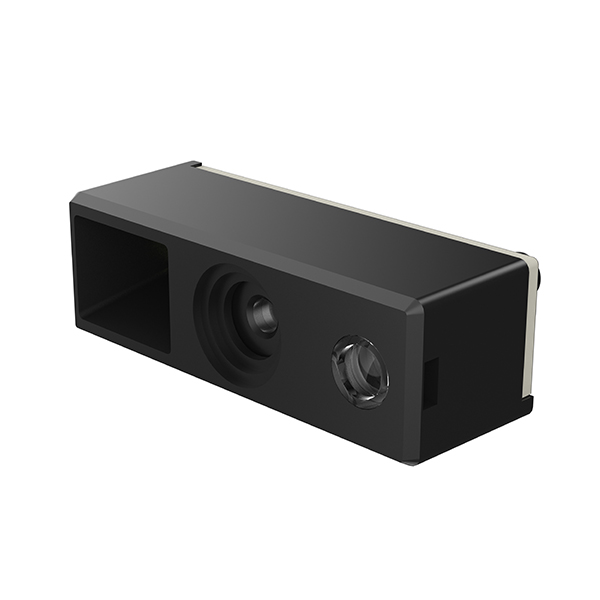
XL-M100P
21.7 × 7.2 × 9 mm embedded 2D scan module, under 5 g — wide-angle optics with TTL-232 and USB 2.0.
- 21.7×7.2×9 mm, <5 g
- Wide angle 37°×28°, ≥4 mil
- TTL-232 / USB 2.0, 13-pin FPC

G53-AI
AI-powered scan module with deep-learning decoding — reads glare, damaged, wrinkled and low-contrast codes.
- AI decoding engine
- Glare / damaged / wrinkled codes
- Industrial-grade protection
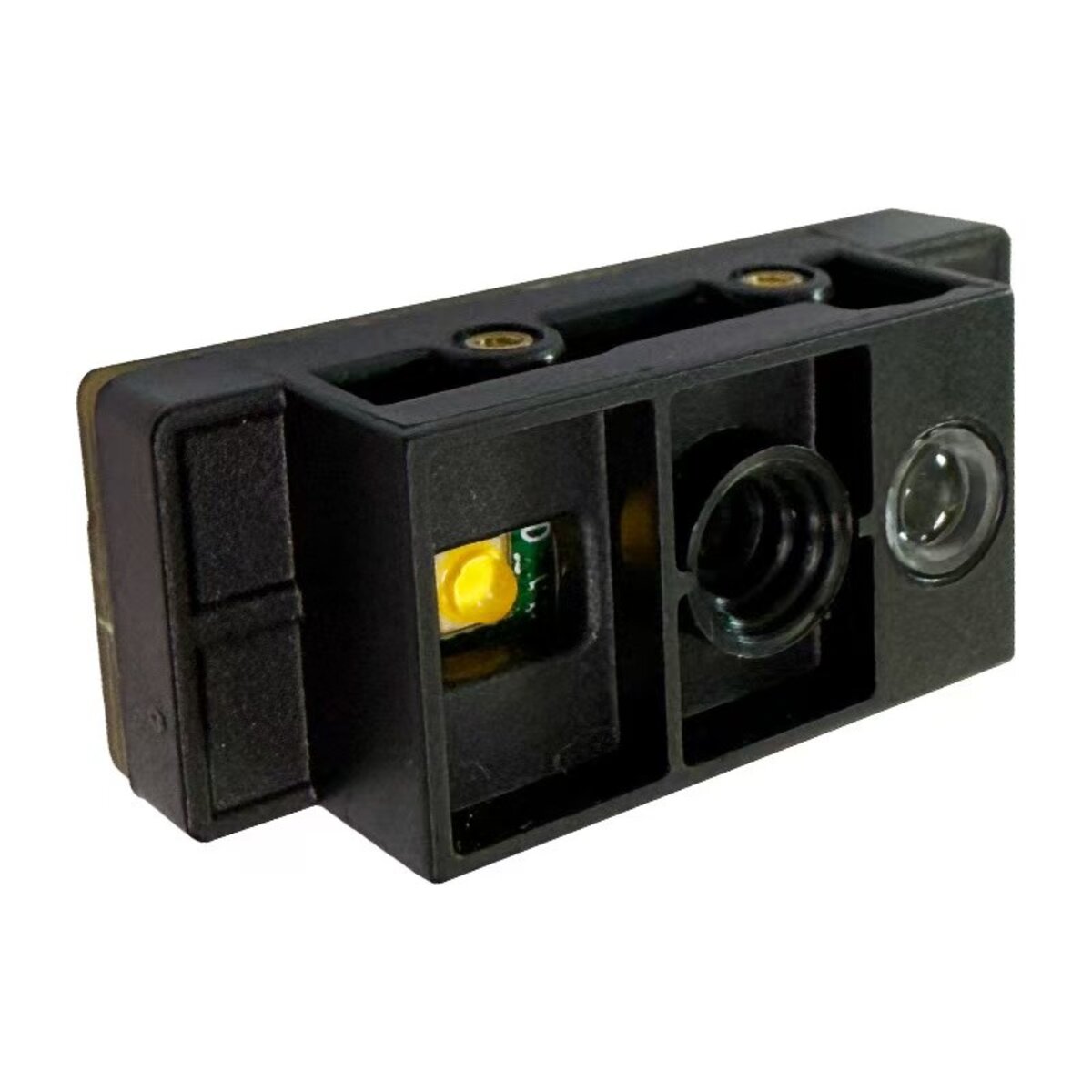
XL-F3-BW
Compact OEM scan engine supporting both black & white and color barcode decoding.
- B&W + color code decoding
- Compact OEM design
- Customizable for integration
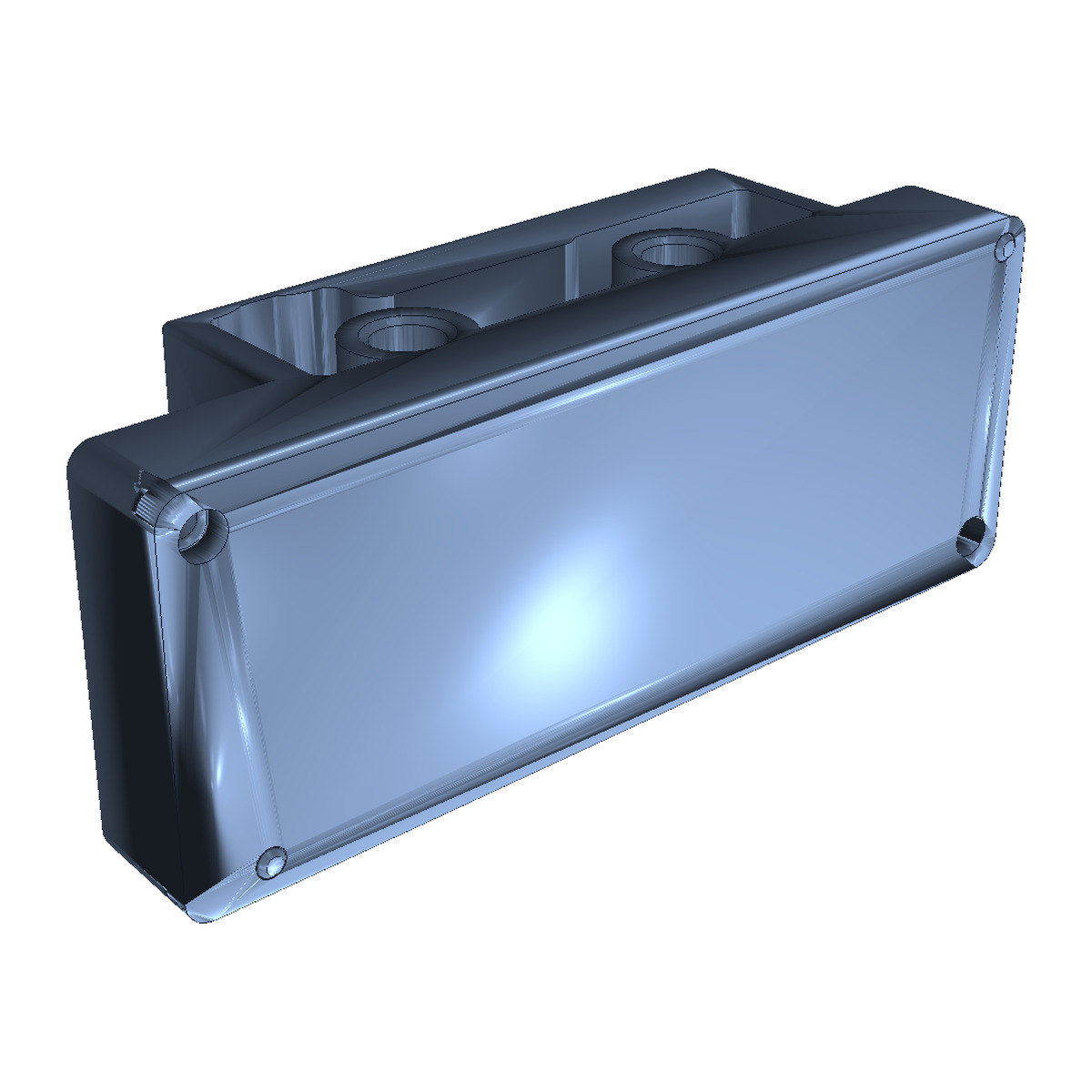
XL-F31-BW Compact OEM 2D Scan Engine
36 x 14 x 11.3 mm, 5 g OEM scan engine with a 680 x 480 CMOS sensor, 3.3 mil precision and a 5-26 cm working range. One 12-pin 0.5 mm FPC cable...
- 680 x 480 CMOS, white LED illumination, red dot aimer
- 3.3 mil precision, 5-26 cm depth of field
- 36 x 14 x 11.3 mm, 5 g
Model comparison
Five engines that cover most integration projects. Full parameters are on each product page.
| Model | Size / form | Sensor & minimum code | Interfaces | Typical use |
|---|---|---|---|---|
| XL-108 | 21.6 × 14.7 × 14 mm, engine + decode board | 640×480 CMOS, ≥5 mil, print contrast ≥25% | TTL-232, USB (HID-KBW, virtual COM) | Compact handhelds, kiosks, lockers |
| XL-M100P | 21.7 × 7.2 × 9 mm, ultra-thin | 640×480 CMOS at 30 fps, 1D ≥4 mil / 2D ≥10 mil | USB + UART | Thin terminals, ring and portable readers |
| XL-G1 | Industrial OEM engine | Built for high duty cycle and harsh environments | Specified per project | Factory and logistics automation |
| XL-F3-BW | Compact OEM engine | Black & white plus color code decoding | Specified per project | Smart terminals with colored labels |
| G53-AI | Industrial AI engine | AI decoding of glare, reflection, damaged and low-contrast codes | Configurable for OEM integration | DPM, polished metal, PCB and moulded parts |
Depth of field is code-dependent — send us your code type and size and we will confirm the working range for that model.
Typical Applications
Where this product line is used.
OEM and ODM customization
Most projects need one or two changes from the standard unit. These are the ones we handle most often.
- Firmware behavior: prefix and suffix, trigger mode, symbology set, keyboard layout, beep and LED behavior
- Interface variant: USB HID, virtual COM, TTL-232 or RS232, with the connector your harness expects
- Mechanical: cable length and exit direction, mounting holes, lens and window options
- Branding: silkscreen or label with your model number, neutral packaging, manual in your language
The usual path is an evaluation sample first, then a small pilot run, then volume. Send the target code type and size, working distance, panel drawing, host interface and expected annual volume — that is enough for us to recommend a model and quote. NDA and project protection are available for custom firmware.
Background reading: how to choose a barcode scan module and why scanners struggle with phone screens.
Get a Quote / Ask a Question
Tell us the model(s) and quantities you need — we usually reply within one business day. Business buyers only; your details are never shared.