Models & Key Specs
Selected OEM barcode scan engines for integration projects. Browse the complete OEM scan engine catalog, including additional models, or open a model card for its documentation.
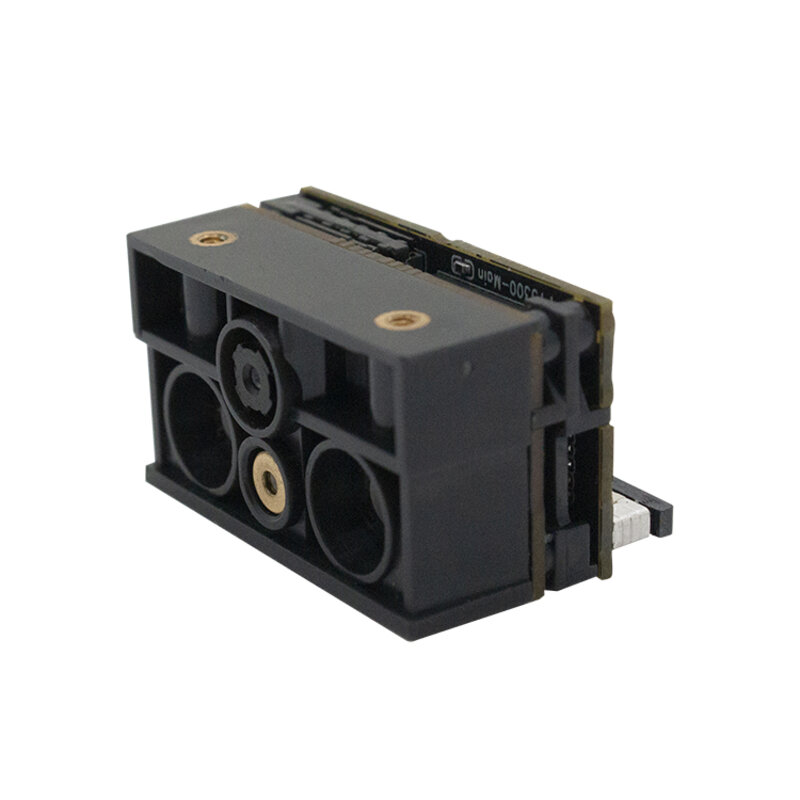
XL-G1
Industrial OEM scan engine built for high-duty-cycle environments — manufacturing, logistics and heavy-duty scanning.
- Industrial-grade, high duty cycle
- Robust for harsh environments
- Factory & logistics automation
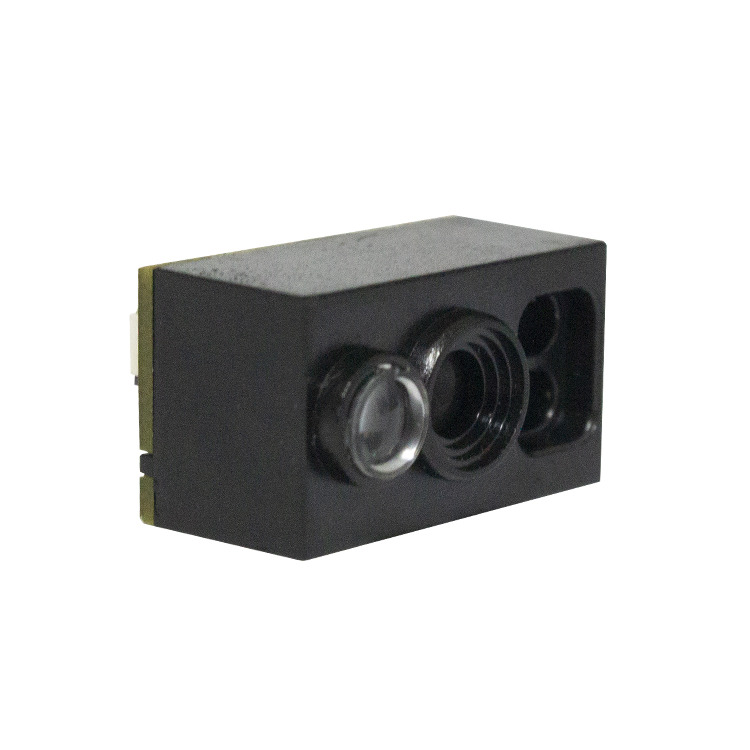
XL-108
Ultra-compact 21.6 × 14.7 × 14 mm engine with integrated decode board and camera — made for embedding.
- 21.6×14.7×14 mm, board + camera
- 640×480 CMOS, ≥5 mil
- TTL-232 / USB, DC 3.3 V
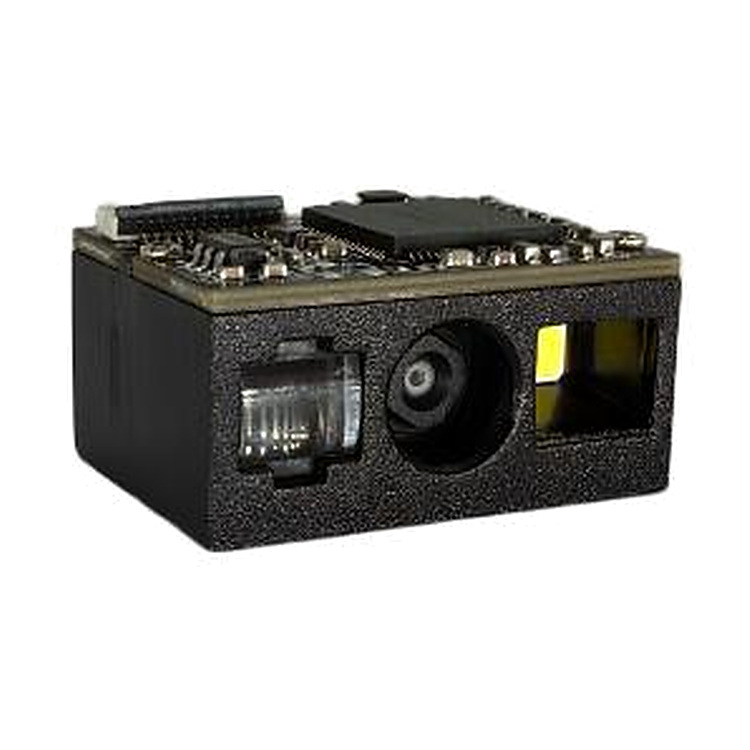
XL-609-SSR
21.3 × 14.5 × 11.2 mm OEM 2D scan engine at 5 g — 640×480 CMOS with TTL-232 / USB for PDA and kiosk integration.
- 640×480 CMOS, 85.8° diagonal FOV
- 5 mil (1D) minimum resolution
- TTL-232 / USB / USB COM, 3.3 V
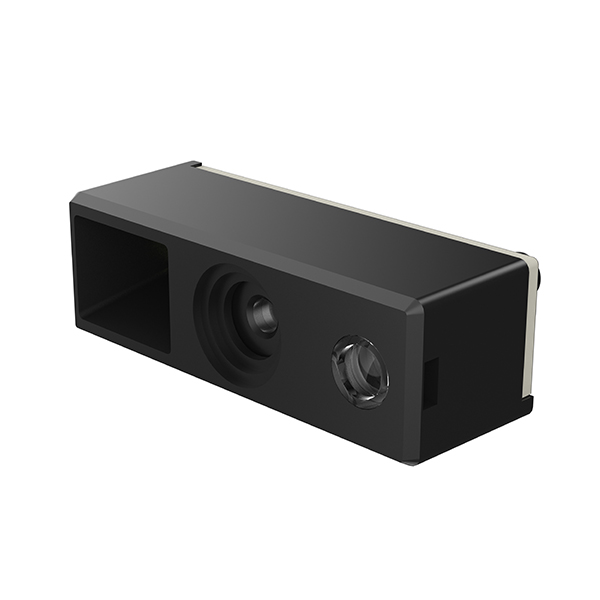
XL-M100P
21.7 × 7.2 × 9 mm embedded 2D scan module, under 5 g — wide-angle optics with TTL-232 and USB 2.0.
- 21.7×7.2×9 mm, <5 g
- Wide angle 37°×28°, ≥4 mil
- TTL-232 / USB 2.0, 13-pin FPC

G53-AI
AI-powered scan module with deep-learning decoding — reads glare, damaged, wrinkled and low-contrast codes.
- AI decoding engine
- Glare / damaged / wrinkled codes
- For OEM integration
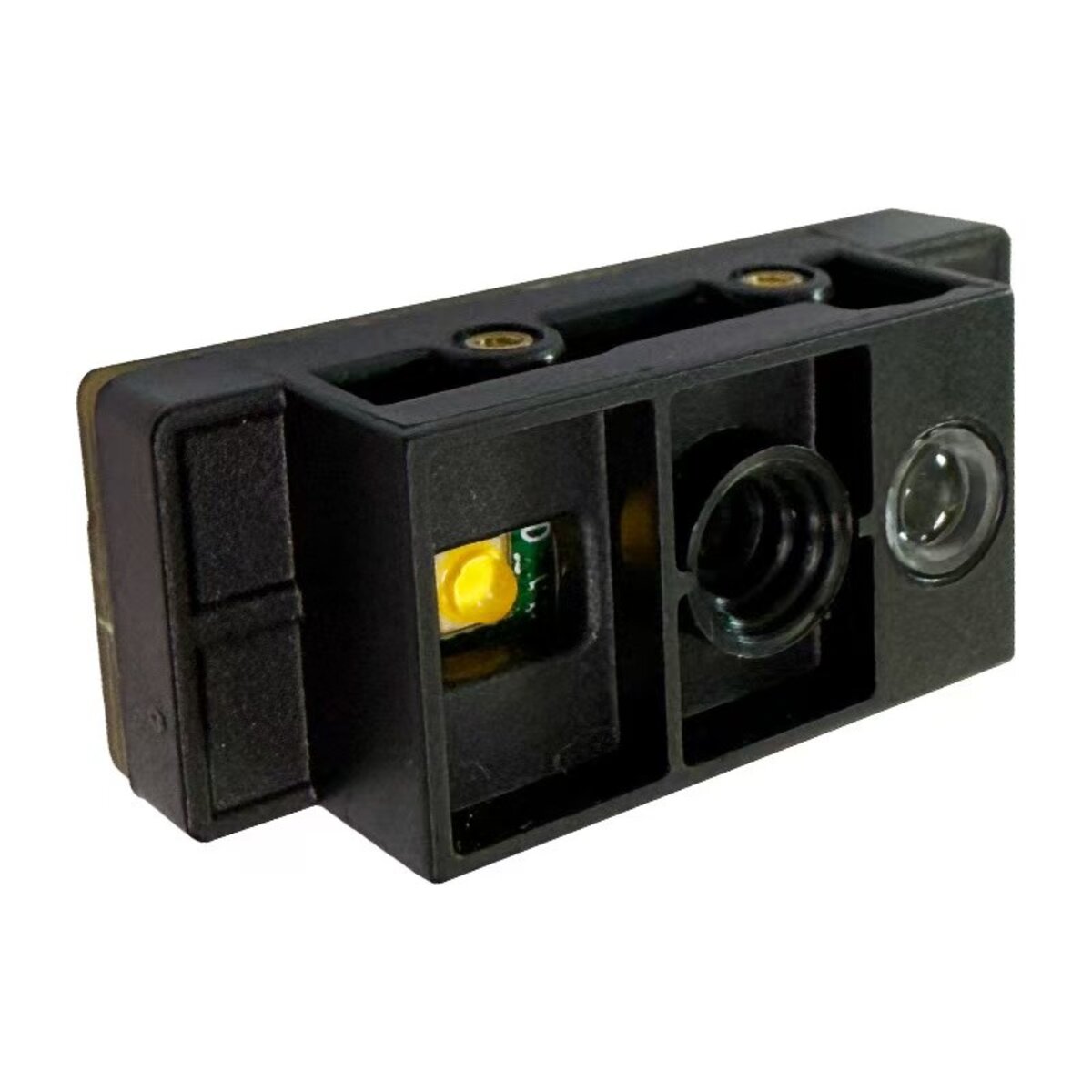
XL-F3-BW
Compact OEM scan engine supporting both black & white and color barcode decoding.
- B&W + color code decoding
- Compact OEM design
- Customizable for integration
XL-F31-BW Compact OEM 2D Scan Engine
Compact 680 × 480 CMOS scan engine in a 36 × 14 × 11.3 mm body. The 12-pin FPC supports integration with USB or a TTL-level UART host.
- 680 x 480 CMOS, white LED illumination, red dot aimer
- 3.3 mil precision, 5-26 cm depth of field
- 36 x 14 x 11.3 mm, 5 g
How to choose an OEM barcode scan engine
An embedded barcode scanner must fit both the enclosure and the host system. Check these four points before choosing an evaluation sample.
1. Check the module, connector and window space
Measure the space behind the front window, including the cable bend and connector clearance. Compare the dimensions and drawings for the XL-108 compact scan engine, XL-M100P embedded scan module and XL-609-SSR OEM 2D scan engine. Check how the mounting position and front window affect the reader's view of the code.
2. Confirm decoded data and host behavior
Confirm that the selected variant provides decoded barcode data in the format your application expects. USB HID sends keyboard input; virtual COM or a serial connection lets host software receive the data through a port. Check the supported output modes, trigger commands, prefixes and suffixes in the model's integration documentation.
3. Verify the electrical interface before wiring
USB, TTL-level serial and RS232 have different electrical requirements. Confirm supply voltage, signal levels, connector pinout and the exact interface variant before connecting an OEM scan engine to an embedded board. For USB integration, also check the host operating system, selected USB mode and any driver requirements.
4. Test the real barcode at the installed distance
Specify the symbology, overall code size, smallest bar or module size, material and working distance. Printed labels, phone screens and direct part marks need different test samples. For difficult marks, review the G53-AI scan module and request a sample evaluation; decoding results depend on the code, lighting and installation. Test through the final front window before approving the design.
For the optical checks, use the barcode scanner field of view and code-fit guide. For a broader checklist, see how to choose a barcode scan module.
Model comparison
Comparison of five selected engines. Additional OEM models, including XL-M3609, are listed in the complete catalog; confirm each model's documentation before integration.
| Model | Size / form | Sensor & minimum code | Interfaces | Typical use |
|---|---|---|---|---|
| XL-108 | 21.6 × 14.7 × 14 mm, engine + decode board | 640×480 CMOS, ≥5 mil, print contrast ≥25% | TTL-232, USB (HID-KBW, virtual COM) | Compact handhelds, kiosks, lockers |
| XL-M100P | 21.7 × 7.2 × 9 mm, ultra-thin | 640×480 CMOS at 30 fps, 1D ≥4 mil / 2D ≥10 mil | USB + UART | Thin terminals, ring and portable readers |
| XL-G1 | Industrial OEM engine | Built for high duty cycle and harsh environments | Specified per project | Factory and logistics automation |
| XL-F3-BW | 36 × 14 × 11.3 mm, 5 g | 1600 × 1200 CMOS; published 3.3 mil Code 128 | USB, TTL-level UART or RS-232; confirm order configuration | Compact OEM terminals and portable readers |
| XL-F31-BW | 36 × 14 × 11.3 mm, 5 g | 680 × 480 CMOS; published 3.3 mil minimum resolution | USB or TTL-level UART via 12-pin FPC | Handheld terminals and test instruments |
| XL-609-SSR | 21.3 × 14.5 × 11.2 mm, 5 g | 640 × 480 CMOS; published 5 mil minimum for 1D | TTL-level UART, USB HID or USB virtual COM; confirm configuration | PDAs, kiosks and embedded terminals |
| G53-AI | Industrial AI engine | AI decoding of glare, reflection, damaged and low-contrast codes | Configurable for OEM integration | DPM, polished metal, PCB and moulded parts |
Depth of field is code-dependent — send us your code type and size and we will confirm the working range for that model.
Typical Applications
Where this product line is used.
OEM and ODM customization
Most projects need one or two changes from the standard unit. These are the ones we handle most often.
- Firmware behavior: prefix and suffix, trigger mode, symbology set, keyboard layout, beep and LED behavior
- Interface variant: USB HID, virtual COM, TTL-232 or RS232, with the connector your harness expects
- Mechanical: cable length and exit direction, mounting holes, lens and window options
- Branding: silkscreen or label with your model number, neutral packaging, manual in your language
The usual path is an evaluation sample first, then a small pilot run, then volume. Send the target code type and size, working distance, panel drawing, host interface and expected annual volume — that is enough for us to recommend a model and quote. NDA and project protection are available for custom firmware.
Background reading: how to choose a barcode scan module and why scanners struggle with phone screens.
Sample evaluation resources
For screen codes, protective windows and host integration, use the embedded QR module sample validation checklist. For an OEM scan engine reading directly marked parts, use the DPM reader sample testing checklist and blank record to define parts, installation conditions and acceptance.
For mechanical, electrical and host checks, download the blank OEM scan engine integration test record (CSV). The OEM integration evaluation guide explains how to record first-pass results, retries and duplicate output separately.
Get a Quote / Ask a Question
Tell us the model(s) and quantities you need — we usually reply within one business day. Business buyers only; your details are never shared.